White Label Gym Equipment: What Distributors Should Check Before Ordering
Sep 16, 2026
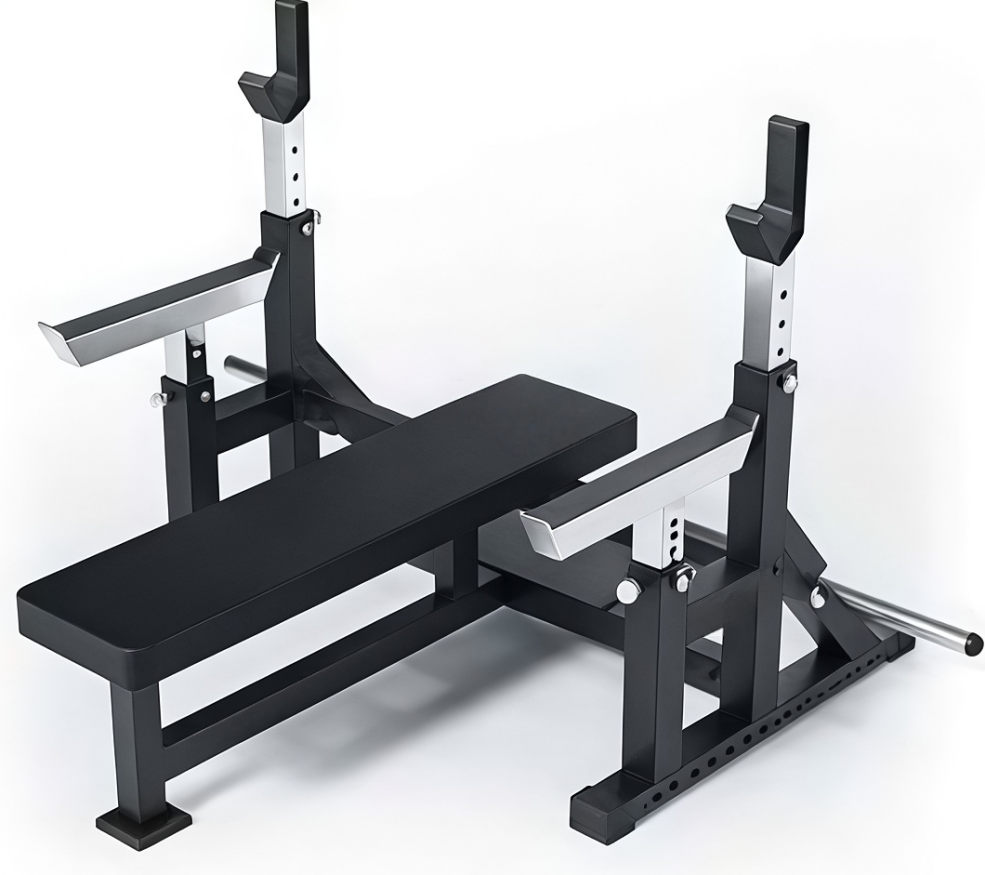
Nantong, Jiangsu Sep 15, 2026 (Issuewire.com) - Walk into any newly opened studio and look closely at the rigs. The frame color, the small logo plate riveted near the weight stack, the PU tone on the seat pads--these details signal whether a brand looks assembled from a catalog or built as one coherent line. For distributors sourcing white label gym equipment, the difference between a clean private-label rollout and a mismatched batch usually shows up in the details that never appear in a product photo. Getting them right before placing an order saves money, protects the brand, and keeps reorders consistent. What follows is a practical checklist drawn from how experienced suppliers such as Nantong Senfeng Sports Products Co., Ltd actually handle customization requests.
White Label Is Not Just Adding a Logo
The first thing to sort out is scope. White labeling can mean two very different levels of work, and confusing them leads to disappointment later.
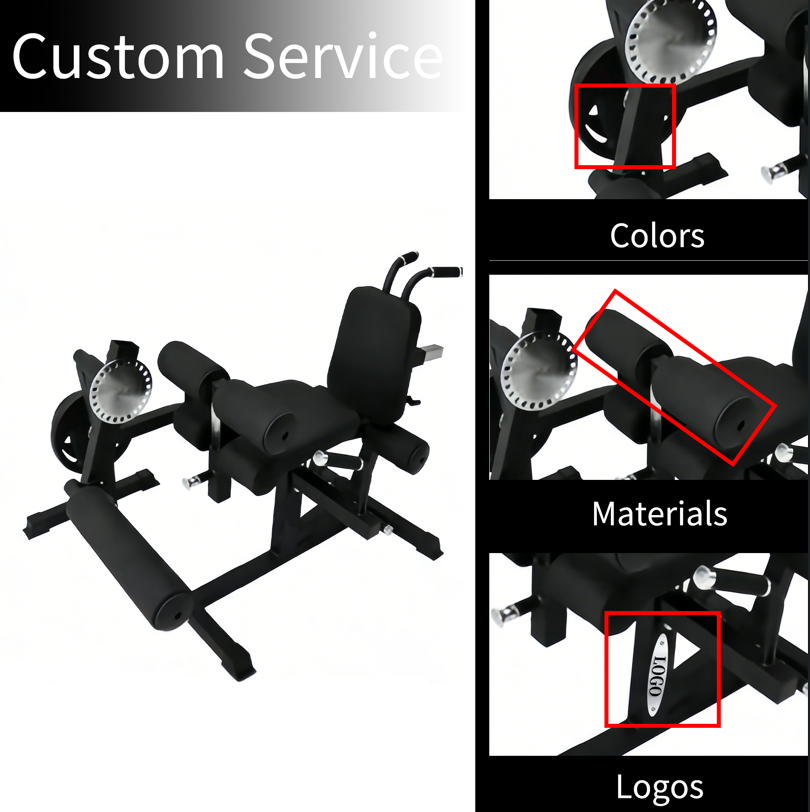
At the single-unit level, customization covers the frame color, the logo nameplate, the PU color on seat pads, and the shipping mark printed on the carton. This is enough when a distributor sells individual machines and simply wants the brand name visible.
At the full-line level, the goal is visual unity across an entire floor. That means the same RAL frame color running consistently across a Power Rack, a Squat Rack, and a Cable Machine--even when those pieces come off different production batches. This second level is what actually creates a branded feel in a facility. A studio owner walking the floor should see one identity, not three shades of black that almost match.
Deciding which level applies changes everything downstream: cost, minimum order quantity, and how tightly color tolerance needs to be controlled. Distributors who skip this step often assume batch-to-batch consistency comes free, then discover otherwise on the second order.
Check the Real Boundaries of Customization
The next move is to read the actual product pages rather than guess from a catalog thumbnail. Take machines like the Flat Chest Press or the Lat Pull Down. Customization on these typically includes color, size, material, and logo labeling--but the terms are specific.
For the Lat Pull Down, the customization MOQ is listed at 10 units, while the standard MOQ sits at 5 units. That gap matters. A distributor planning a small first order needs to know whether the branded version even qualifies at that quantity, or whether the minimum jumps once customization enters the picture.
Assuming "everything in the series can be changed" is a common mistake. Some dimensions are fixed by the frame tooling; some materials come in a defined set of options. A white label gym equipment manufacturer that has run OEM and ODM projects for years will state these limits plainly, and Senfeng handles requests on a per-model basis rather than promising blanket flexibility. Confirming the editable fields--color, size, material, labeling--before quoting keeps the specification honest and the timeline realistic.
Verify the Consistency Mechanism for Reorders
Sampling is where a serious sourcing process either builds a foundation or leaves a gap. A confirmation sample generally takes seven to ten days to produce. The real question is what happens to that sample afterward.
Does the approved sample become the sealed reference for mass production? If so, the factory measures later batches against it. If not, the distributor has no baseline to point to when the third shipment looks slightly off.
Three things deserve written answers before the deposit goes out:
- Whether the confirmation sample serves as the mass-production sealed sample.
- How much color deviation is tolerated on frame paint and seat pads across batches.
- Whether the nameplate position is locked to a fixed measurement on every unit.
Nantong Senfeng Sports Products Co., Ltd offers customized packaging and arranges reliable logistics, which covers the outbound side well. Batch color tolerance, though, is the kind of detail that should be negotiated and recorded in the contract rather than assumed. RAL numbers, deviation limits, and nameplate coordinates written into the purchase agreement turn a vague "match the sample" into something both sides can measure.
Spare Parts and Exploded Drawings Decide After-Sales Cost
A white label program does not end at delivery. The pieces that keep a machine running--steel cables, pulleys, pins, seat pads--wear out on a predictable schedule, and how a distributor handles those replacements shapes the long-term cost of carrying the line.
Two documents make local service possible. The first is the exploded drawing for each model, so a technician can identify the exact part. The second is a recommended wear-parts list, ideally with the fast-moving items packaged separately for easy stocking. Without these, a small cable replacement turns into a back-and-forth with the factory and downtime the end customer notices.
Senfeng provides professional after-sales support to work through issues that come up in the field. That support is more useful when the distributor already holds the drawings and a small buffer of common spares. It keeps repairs local, fast, and low-cost--exactly what a gym owner expects from a brand that put its name on the frame.
Bringing It Together Before the Order
Sourcing white label gym equipment rewards preparation over speed. Before requesting a quote, distributors do well to assemble a single approval sheet that covers the essentials: the logo as a vector file, the exact RAL color number, the nameplate position, the MOQ broken out per model, and the spare-parts ratio expected with each shipment.
With that sheet in hand, the inquiry becomes concrete. A supplier can return an accurate customization quote and a clear sampling timeline instead of a generic reply. As a certified manufacturer with more than eight years of production experience, Nantong Senfeng Sports Products Co., Ltd runs its own factory, handles both wholesale and retail partnerships, and inspects goods before shipment.
Sending a fully specified request through the Senfeng inquiry form at https://senfengfitness.com/ is the cleanest way to convert a plan into a quote, a sample, and eventually a consistent branded line. The distributors who treat white labeling as a specification exercise, not just a logo placement, end up with reorders that match and floors that look like one brand--and that consistency is what customers pay for.
Media Contact
Nantong Senfeng Sports Products Co., Ltd
+86 19514497849
Source :Nantong Senfeng Sports Products Co., Ltd
This article was originally published by IssueWire. Read the original article here.
More News









Recommended

5 ways to heal from a friendship breakup




Germany beyond the tourist sites

An art fair that was a breath of fresh air




YOUR NEWS, OUR NETWORK.
Do you have Great News you want to tell the world?
Be it updates about your business or your community, you can make sure that it’s heard by submitting your story to our network reaching hundreds of news sites across 6 verticals.