What Is Included in a Commercial Gym Equipment Package?
Sep 16, 2026
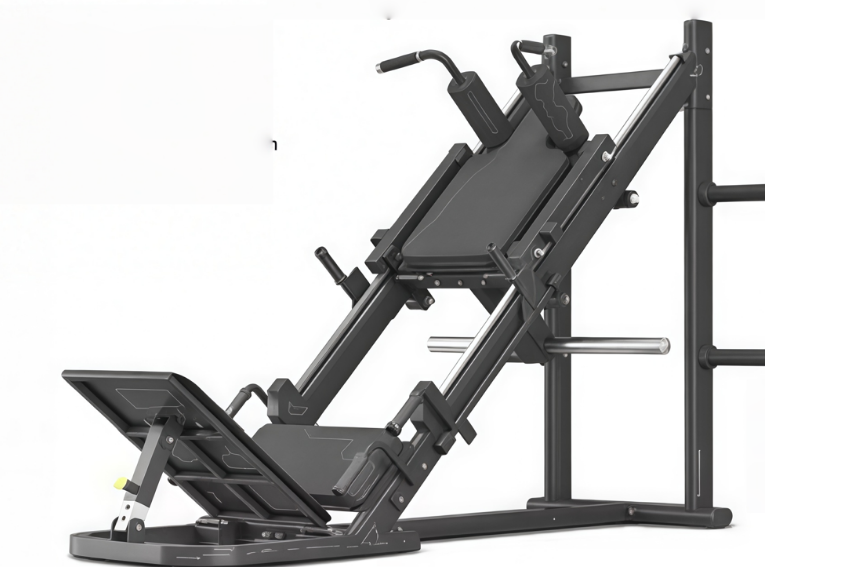
Nantong, Jiangsu Sep 15, 2026 (Issuewire.com) - When a hotel manager, a school administrator, or a facility planner sits down to outfit a new training space, one question comes up before any purchase order is signed: what exactly arrives on the truck? A quote that simply lists "twelve machines" can hide as much as it reveals. A well-defined commercial gym equipment package is never just a pile of steel frames stacked together--it covers hardware, the small parts that keep everything working, and the paperwork that gets the shipment through customs and into service. Nantong Senfeng Sports Products Co., Ltd a manufacturer based in Nantong, Jiangsu Province, builds and ships these packages for commercial and home settings, and the way the components break down offers a useful map for anyone comparing offers.
Breaking the Word "Package" Into Three Layers
The fastest way to avoid being misled by a tidy-looking catalog is to split any package into three layers and check each one separately.
- Hardware bodies. This is the visible core: strength stations, cardio machines, and free-weight gear such as racks, benches, and dumbbells.
- Accessory parts. These are the pieces that make the hardware usable and safe--rubber flooring, mirrors, warning stickers, adjustment wrenches, and a spare-parts bag.
- Soft deliverables.This covers the layout drawing, the assembly manual, customs documents, and the warranty card.
Asking only "how many units are included?" tends to leave the second and third layers unspoken, and those are the layers where surprises show up after delivery. Reading a quote against all three keeps the comparison honest.
Setting Hardware Boundaries by Scenario
Senfeng groups its offerings around complete gym packages for hotels, schools, and corporate spaces, and each scenario sets its own baseline. A corporate fitness room, for instance, often centers on a Leg Press, a Pec Deck, a Functional Trainer, and a Kettlebell Rack. That combination suits a mid-sized staff population that wants both machine-guided movements and functional training in a limited footprint.
The point worth checking is what the baseline does not assume. A Cable Machine, for example, is not automatically bundled into every scenario package; if the space needs one, it should appear as its own line. A school layout might lean toward durable, low-maintenance strength stations and simple cardio, while a hotel gym prioritizes a compact mix that a broad range of guests can use without instruction. Matching the hardware list to the actual group of users--and the square meters available--stops a buyer from paying for stations that sit idle or discovering a gap only after installation.
The Accessory and Installation Parts Most Often Left Off
The second layer is where quotes go quiet, and it is worth walking through line by line. Assembly bolts, leveling feet, weight-stack pins, PU seat covers, and cable-tension tools all belong to a working machine, yet none of them shows up if the request lists only the machine name. On individual product pages these small parts appear in the component images, so the safest approach during a package inquiry is to tick each one row by row rather than assume it travels with the frame.
Two items deserve a separate note because they are commonly misunderstood. Rubber gym flooring and wall mirrors usually sit outside the equipment package--they belong to the site fit-out, a construction line handled by the venue rather than the equipment maker. Treating them as part of the machine order leads to double-counting on one side or a missing subfloor on the other. Clarifying this boundary early keeps the equipment budget and the renovation budget from bleeding into each other.
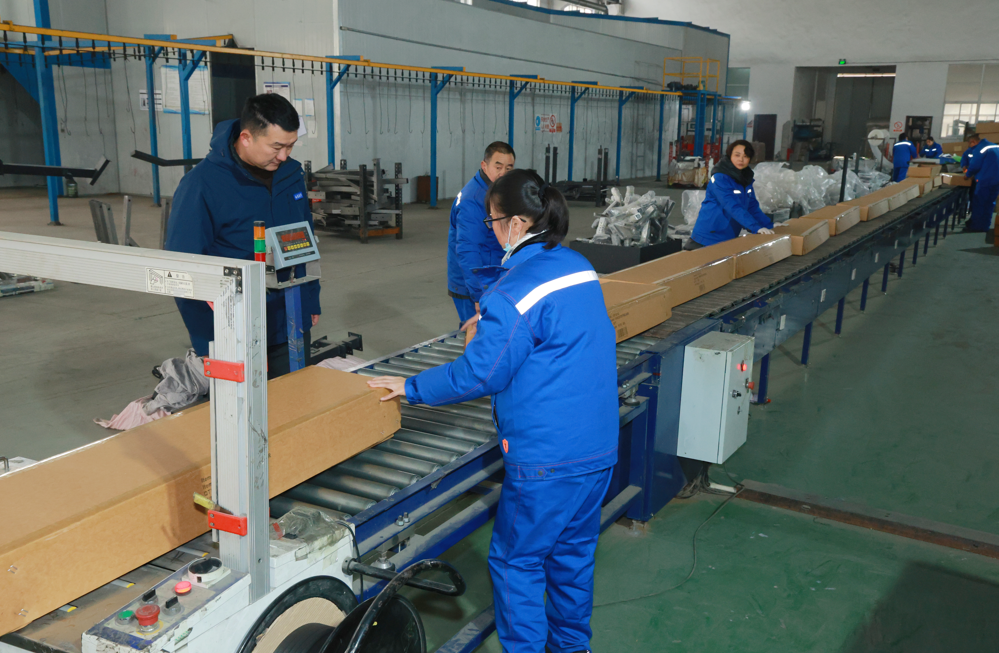
Nantong Senfeng Sports Products Co., Ltd manufactures and sells its own goods, and every shipment passes a quality inspection before it leaves the factory. That inspection matters most for exactly these small parts, since a missing pin or an incomplete bolt set can stall an entire assembly on site.
Documents and After-Sales: The Layer That Decides Customs
The third layer rarely appears in a headline price, yet it shapes how smoothly a container clears customs and how quickly a room opens. A complete commercial gym equipment package should confirm several documents in writing: a multilingual assembly manual, exploded-view part diagrams, copies of CE and ISO certification files, the pre-shipment inspection record, and a recommended spare-parts list.
Each of these earns its place. The exploded diagrams let a local team reassemble a station without guesswork. The certification copies support customs declaration and satisfy insurers. The inspection record gives the buyer a reference point if anything arrives damaged, and the spare-parts list turns future maintenance from a scramble into a simple reorder.
Senfeng arranges reliable logistics and adjusts packaging to the requirements of each order, which keeps freight handling and protection consistent with the goods inside. On the service side, the company runs a 24-hour response line with replies typically within two hours, and a dedicated after-sales team handles issues once equipment is in use. With more than eight years of production experience and OEM and ODM capability, the factory can also process customer samples and drawings, and product color and size can be adjusted to a client's specification. None of that replaces a clear document checklist, but it does mean the checklist has a team standing behind it.
Turning a Package Into a Confident Order
The commercial fitness segment keeps shifting toward smaller, mixed-use rooms--hotel corners, corporate floors, and campus facilities that must serve varied users in tight spaces. That pattern rewards buyers who define scope precisely instead of chasing the longest machine list. A sound way to start is to send a floor area and a description of the expected user group to the manufacturer, then expect a reply built as a three-part ticked list: hardware, accessories, and documents. A response shaped that way says far more than a single per-machine price, because it shows the supplier has already thought through installation and handover.
For anyone weighing a commercial gym equipment package, the checklist approach costs nothing and prevents the most common gaps. Read every quote across all three layers, keep flooring and mirrors in their own construction line, and confirm the paperwork before the container is booked. Facility planners who want to compare specifications or request a scenario-based layout can reach Nantong Senfeng Sports Products Co., Ltd through its website at https://senfengfitness.com/
Media Contact
Nantong Senfeng Sports Products Co., Ltd
+86 19514497849
Source :Nantong Senfeng Sports Products Co., Ltd
This article was originally published by IssueWire. Read the original article here.
More News












Recommended

5 ways to heal from a friendship breakup




Germany beyond the tourist sites

An art fair that was a breath of fresh air




YOUR NEWS, OUR NETWORK.
Do you have Great News you want to tell the world?
Be it updates about your business or your community, you can make sure that it’s heard by submitting your story to our network reaching hundreds of news sites across 6 verticals.