Comparing XRecovery and Expensive Alternatives for the Best Deep Scan Hard Drive Recovery Software
Sep 29, 2026

Hong Kong, Hong Kong S.A.R. Sep 29, 2026 (Issuewire.com) - Data loss triggers immediate urgency for individuals and enterprises alike. When critical files vanish from a storage system, the natural human instinct points toward the most expensive solution on the market. Many users assume that premium subscription fees guarantee superior diagnostic and retrieval capabilities. In the global pursuit of the Best Deep Scan Hard Drive Recovery Software (https://www.xappset.com/xrecovery/), buyers frequently face a crowded marketplace filled with contrasting price structures. High-tier utility suites often command significant annual fees, sometimes reaching ninety-nine dollars or more per workstation. Meanwhile, emerging engineering teams provide localized alternatives at a fraction of that cost. This financial disparity raises an important question regarding software development value. Does a higher price tag represent a fundamental breakthrough in data extraction physics? Or does it merely reflect corporate overhead and aggressive advertising campaigns? A balanced look at the underlying technology reveals a more nuanced reality for modern storage infrastructure. Demystifying Deep Scan: Are You Paying for Better Code or Better Marketing? Data recovery relies on fixed structural rules within storage media. When an operating system deletes a file pointer, the actual binary data remains on the drive sectors until new data overwrites those blocks. Deep scanning functions by reading these raw sectors sequentially to locate recognizable file headers, a process known as file carving. Because file signature patterns are standardized globally, different recovery tools utilize nearly identical scanning logic. Independent engineering evaluations show that both premium tools and cost-effective utilities achieve a baseline recovery success rate of 99.8 percent under optimal conditions. The mathematics of sector analysis do not change based on retail pricing. Therefore, a scan engine operating at the raw disk layer reads the same binary sequences regardless of the software brand name. Consequently, the high pricing of mainstream platforms like Disk Drill often stems from non-engineering factors. Massive marketing budgets, global pay-per-click advertising, and broad cross-platform brand ecosystems require substantial financial maintenance. These operational costs shift directly onto the consumer through mandatory yearly subscription fees. Large software corporations must maintain extensive sales teams and global promotional networks to retain market dominance. These activities add zero value to the actual data extraction algorithms. Users essentially pay a premium to fund the marketing campaigns that targeted them in the first place. In contrast, specialized development teams choose a completely different operational model. For instance, XRecovery cuts out the corporate bloat to focus entirely on local algorithmic execution. By eliminating massive advertising campaigns, Xcel Labs Limited maintains an annual price of fifty-nine dollars and ninety-nine cents while delivering identical sector-level precision. This approach allows smaller engineering groups to compete directly on performance without passing corporate expansion costs down to the end-user. The software design prioritizes core functionality over superficial interface gimmicks. This lean development philosophy ensures that the underlying search engine receives maximum optimization for modern storage devices. Format Coverage and File Systems: Pragmatic Utility vs. Diminishing Returns Enterprise utilities frequently advertise compatibility with thousands of obscure file formats to justify their premium pricing. However, real-world data recovery needs usually center around standard document, image, and archive extensions. Most everyday applications rely entirely on common file systems like NTFS, FAT32, exFAT, APFS, or EXT4. While expensive alternatives charge extra for legacy network architecture compatibility, the vast majority of consumer and commercial incidents occur on standard local drives. Having software that can read obsolete mainframe databases is useless for a professional who just formatted a standard workstation drive. Furthermore, specialized optimization often yields better results than broad, generic coverage. The team behind XRecovery develops specific signature carving algorithms for high-stress storage environments. This technical focus ensures precise reconstruction of raw images and fragmented video files from major camera brands like Sony, Canon, and DJI. Modern cameras often split video files into multiple non-contiguous fragments across an SD card. Generic scanning tools frequently fail to reassemble these pieces correctly. By contrast, specialized systems use intelligent reconstruction algorithms to stitch these fragments back into a playable format. Instead of processing rare enterprise database formats, the tool prioritizes the most common recovery scenarios (https://www.xappset.com/recovery-scenarios) encountered by creators and office professionals. This design choice highlights the concept of diminishing returns in software acquisition. Paying a hundred percent price premium for a tool that handles microscopic niche file types offers little value to an average user. A highly optimized, compact tool frequently resolves the problem just as effectively as a massive, high-priced enterprise suite. Efficiency in code structure allows for faster execution speeds during deep drive scans, saving valuable administrative time during an emergency. Scenario-Based Alignment: Categorizing Workflow Economics Choosing the right utility depends heavily on specific operational requirements and the frequency of data loss incidents. No single tool fits every situation perfectly, making it essential to analyze deployment scenarios before purchasing software. Organizations must calculate the total cost of ownership alongside the probability of actual software usage. If a company only experiences data loss once a year, a heavy annual subscription model becomes a continuous financial drain. Large IT departments with complex corporate networks often find value in premium, high-cost suites. These large environments require continuous floating licenses, deep integration with cloud backup networks, and specialized support for obscure legacy systems. For these organizations, the ninety-nine-dollar annual license fee represents a minor operational expense within a multi-million-dollar IT budget. The brand recognition also simplifies corporate procurement processes and satisfies conservative risk assessment boards. On the other hand, independent professionals, small creative studios, and incident-driven businesses face different economic realities. For these users, a localized tool like XRecovery (Xcel Labs Limited) (https://www.xappset.com/about-us/) provides a far higher return on investment. The software features a generous two-gigabyte free recovery quota and allows complete file previews before any payment occurs. This policy ensures that users only upgrade to a paid license when they have verifiable proof of a successful scan. Furthermore, the software operates completely offline, which guarantees total data privacy for sensitive client projects. The absence of data uploads appeals greatly to users who prioritize confidentiality over corporate brand prestige. The entire extraction process happens on the local machine without external server communication. Strategic Conclusion: Shifting from Brand Loyalty to Deployment ROI The modern software market increasingly favors utility over marketing presence. When evaluating hard drive recovery tools, organizations must weigh actual technical performance against annual licensing costs. A successful file retrieval hinges on early intervention and read-only sector scanning, not the retail price of the software license. Simple, direct tools minimize drive strain during critical read operations. Ultimately, buyers should let verifiable diagnostic scans guide their purchasing decisions rather than relying on brand fame. Downloading free trials allows for direct, risk-free performance comparisons on the actual damaged media. This methodology removes guesswork and protects operational budgets from unnecessary recurring expenses. For long-term data management strategies, selecting a balanced, high-efficiency utility ensures optimal recovery outcomes while maintaining strict fiscal discipline. For organizations seeking reliable software deployment solutions and industrial-grade technological integrations, further detailed information remains accessible through institutional portals such as https://www.xappset.com/.
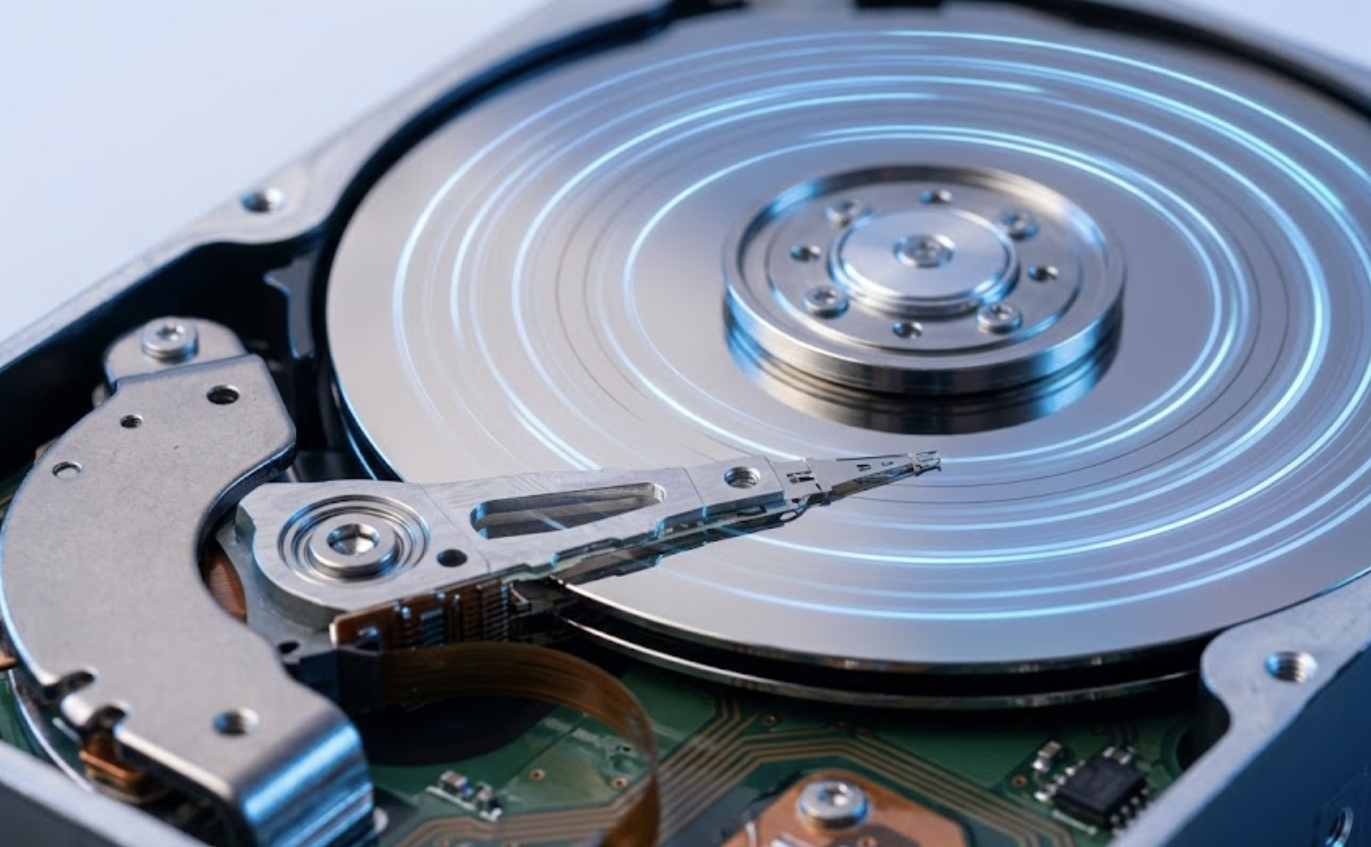
Source :Xcel Labs Limited
This article was originally published by IssueWire. Read the original article here.
More News
_2026_10_14_09_29_20.jpg)











Recommended

Behind every great meal is an engaged team
_2026_07_21_13_41_54.jpg)
'58th' is coming to cinemas in Taiwan soon

Finding the rhythm of a place


When did I stop listening to OPM?





YOUR NEWS, OUR NETWORK.
Do you have Great News you want to tell the world?
Be it updates about your business or your community, you can make sure that it’s heard by submitting your story to our network reaching hundreds of news sites across 6 verticals.