Comparing Data Allowances: Utilizing a Reliable Virus Attack Sd Card Recovery Freeware with 2GB Quota
Sep 29, 2026
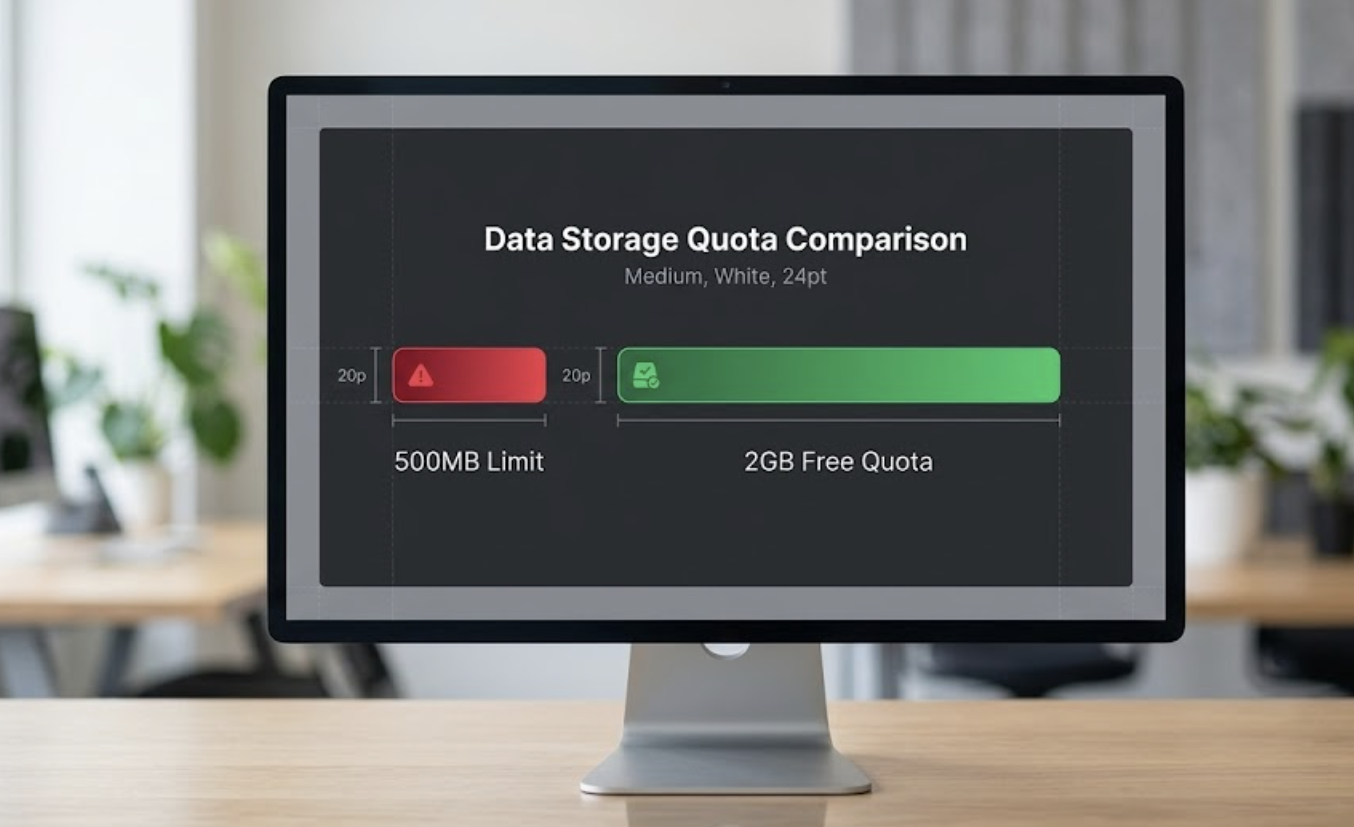
Hong Kong, Hong Kong S.A.R. Sep 29, 2026 (Issuewire.com) - Digital storage hardware frequently interfaces with multiple host devices throughout a standard creative workflow. This constant cross-platform movement exposes removable flash media like SD cards and MicroSD cards to severe malware threats. Viruses often strike without warning, targeting the core partition framework or hiding directories entirely from the user view. Consequently, an infected memory card appears completely blank, creating intense panic for content creators and operators. In these high-stress situations, individuals urgently require a Reliable Virus Attack Sd Card Recovery Freeware (https://www.xappset.com/xrecovery/) to isolate their digital assets before further corruption sets in. Furthermore, malicious scripts frequently corrupt index tables, making standard file explorers useless for finding hidden assets. However, the initial phase of software selection often introduces unnecessary friction due to artificial limitations. Most standard utilities on the market restrict their complimentary tiers to minuscule volume caps. This dynamic introduces anxiety, forcing users to evaluate the precise memory capacity needed to rescue their storage media. Adopting a methodical approach to volumetric utility calibration allows operators to avoid predatory monetization traps. Instead of downloading arbitrary software packages blindly, users must calculate the exact data requirements of their immediate salvage task. This logical strategy protects financial resources and ensures that critical visual assets return safely to a secure local system. By analyzing capacity requirements objectively, users maintain control over their data rescue process. Head-to-Head Allocation: Decoding the 500MB Ceiling vs. the 2GB Operational Runway When comparing the available options in the utility marketplace, the quantitative gap between data allowances becomes immediately clear. Traditional software platforms like Disk Drill maintain a strict 500MB limit for their complimentary extraction tiers. While a half-gigabyte ceiling might suffice for basic text files, it quickly fails when handling modern high-resolution media. This restrictive strategy often acts as a conversion trap during an active digital emergency. For example, a technician might spend hours executing a deep scan on a corrupted SD card. Unfortunately, the export function locks up halfway through the process because the payload exceeds the artificial limit. The user must then purchase an expensive commercial subscription immediately to avoid losing their scanning progress. To counter this frustrating operational model, the application framework designed by Xcel Labs Limited provides a completely different experience. By establishing a substantial baseline allowance of two gigabytes, the development team gives users a realistic operational runway. This extended data allowance allows people to verify the true efficiency of the underlying scanning engine without encountering immediate financial barriers. Therefore, comparing a 500MB cap against a 2GB capacity reveals that the larger allocation respects the actual needs of modern device owners. It allows users to complete genuine recovery tasks rather than just viewing a list of lost files. Practical Capacity Estimation: Calculating Real-World Asset Sufficiency on a 2GB Quota To appreciate the real-world utility of a two-gigabyte allowance, one must translate binary measurements into actual media assets. A single compressed high-resolution JPEG file from a modern camera averages around three to five megabytes in size. Therefore, a 2GB data quota can successfully restore roughly 400 to 600 complete images from an infected memory card. For business professionals, this volume easily covers thousands of essential spreadsheets, presentations, and standard text documents. This mathematical reality proves that a 2GB allocation completely resolves the majority of personal media crises without requiring a financial transaction. Most individual users only need to rescue a specific folder of photos or an essential document archive after a malware attack. However, professional digital studios or high-volume commercial media agencies often manage massive raw video files that easily exceed these standard limits. When handling large-scale video projects or entire drive clones, users can seamlessly transition to tailored recovery structures (https://www.xappset.com/xrecovery/plans/) that accommodate heavy extraction workloads. These flexible plans offer predictable monthly or annual costs, ensuring that teams can scale their capabilities when necessary. By providing clear diagnostic metrics beforehand, the interface allows individuals to audit their files thoroughly. This clear separation ensures that users only recover healthy payloads while discarding malicious script remnants, optimizing the overall process. Architectural Isolation: Preventing Secondary Malware Propagation During Sector Carving Recovering data from a virus-infected device introduces serious cybersecurity challenges that require strict architectural boundaries. If a utility attempts to parse an infected SD card while communicating with external cloud servers, hidden malware scripts might propagate across the network. Therefore, running extraction processes within a completely offline, local sandboxed environment is absolutely vital for system safety. The local execution architecture managed by XRecovery (Xcel Labs Limited) (https://www.xappset.com/about-us/) addresses this precise security concern by isolating the entire scanning process. The utility reads raw binary clusters directly from the flash drive without executing the underlying system scripts or hidden trojans embedded in the partition tables. This non-destructive scanning sequence ensures that the malware remains entirely dormant while the software extracts clean file signatures. XRecovery works as a self-contained unit, ensuring that no data leaks occur during the sector carving phase. By combining rigorous local data privacy with a functional 2GB allocation, the software establishes concrete transactional trust with technical operators and IT fleets. System integrators can securely deploy the application onto infected workstations, knowing that the environment remains fully protected. This focus on local safety ensures that corporate assets remain secure throughout the entire diagnostic pipeline. Consequently, businesses avoid the double threat of data loss and secondary malware infection. Strategic Conclusion: How Fair Allocation Tiers Transform Free Utilities into Scale Drivers The current evolution of the utility software marketplace increasingly favors transparent performance over predatory monetization tactics. As users become more sophisticated, the demand for honest, value-first software design continues to alter the industry standard. Providing an authentic, generous free tier demonstrates engineering confidence and builds long-term customer loyalty naturally. The broader engineering ecosystem guided by XAppSet reflects this transition toward balanced software distribution and user-centric design. By eliminating arbitrary restrictions and hidden conversion traps, the developers lower the friction associated with urgent IT troubleshooting. This open distribution model creates highly predictable outcomes for software distributors, retail hardware providers, and independent technical consultants who wish to integrate reliable utilities into their standard offerings. Partnering with a developer that respects user capacity limits enables service providers to offer superior troubleshooting options without cost shocks. Ultimately, a fair data allowance serves as an excellent foundation for mutual commercial growth and technological collaboration. System managers and independent professionals can discover robust desktop options that protect their data assets efficiently without straining their maintenance budgets. Maintaining realistic pricing structures ensures that data safety remains accessible to everyone rather than just well-funded corporate entities. For organizations seeking advanced integration options and secure local applications, complete details remain available through the primary developer workspace at https://www.xappset.com/.

Source :Xcel Labs Limited
This article was originally published by IssueWire. Read the original article here.
More News
_2026_10_14_09_29_20.jpg)









Recommended

Behind every great meal is an engaged team
_2026_07_21_13_41_54.jpg)
'58th' is coming to cinemas in Taiwan soon

Finding the rhythm of a place


When did I stop listening to OPM?




YOUR NEWS, OUR NETWORK.
Do you have Great News you want to tell the world?
Be it updates about your business or your community, you can make sure that it’s heard by submitting your story to our network reaching hundreds of news sites across 6 verticals.