Commercial cleaning is creating a path to small business ownership
Sep 17, 2026
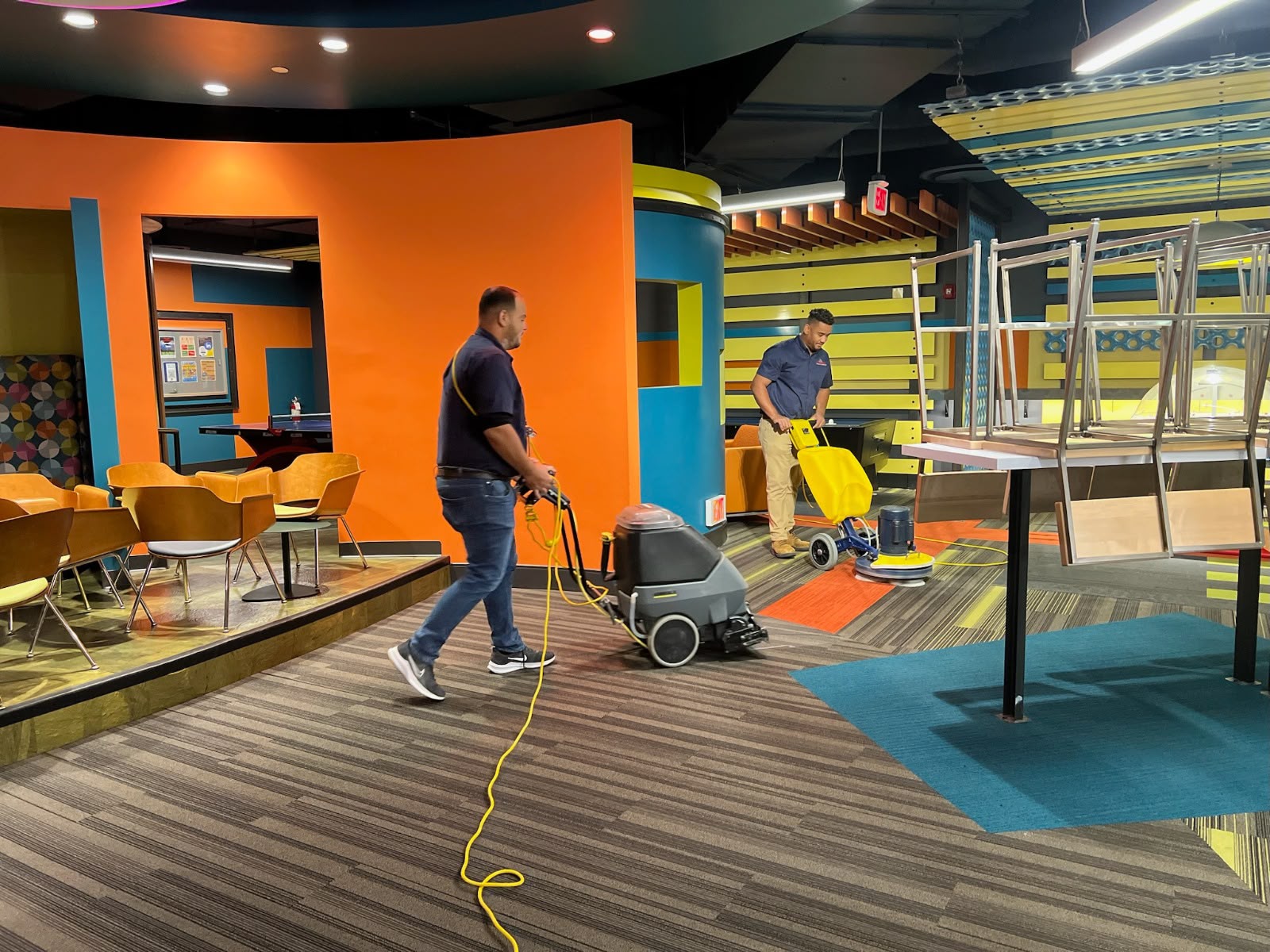
Orlando, Florida Sep 16, 2026 (Issuewire.com) - Imperio Program, a U.S.-based business education program focused on entrepreneurs in the cleaning industry, is helping business owners move from providing services themselves to building structured companies with teams, systems and growth strategies.
For many small business owners, entrepreneurship begins by doing the work themselves. In the cleaning industry, that often means finding clients, providing the service, managing payments and handling nearly every part of the operation.
But getting started and building a company are two very different challenges.
As cleaning businesses grow, owners must move beyond the technical side of the job and learn how to sell, hire employees, manage finances, lead teams and build systems that allow the company to operate without depending entirely on them.
That transition has become the focus of Imperio Program. According to the organization, more than 2,000 entrepreneurs have participated in its programs across more than 40 U.S. states, as well as Canada, Australia and Europe.
The organization is now aiming to reach 10,000 participants over the next three years.
"When we talk about reaching 10,000 students, we are not looking at just a number. We are talking about 10,000 entrepreneurs, 10,000 businesses and thousands of families that can be impacted by the development of those companies," said Danielle Carvalho, Head of Product and Customer Success at Imperio Program.
From Doing the Work to Building the Company
One of the biggest challenges for service entrepreneurs comes when the business begins to outgrow the founder.
In the early stages, owners often serve as salesperson, cleaner, manager and problem-solver. As the number of clients increases, that model becomes harder to sustain.
Commercial contracts can change that equation. Recurring business accounts can provide greater revenue predictability, but they also require more sophisticated operations, including recruiting, scheduling, quality control, financial management and sales.
The goal is no longer simply to get more cleaning jobs. It is to build a company capable of managing those jobs at scale.
"Many of the people we work with learned entrepreneurship by doing," Carvalho said. "They know the cleaning business and how to serve their clients. But as the company grows, sales, finance, hiring, leadership and processes become just as important as delivering the service."
Imperio Program says it currently has more than 70 employees, including approximately 30 consultants working in sales, marketing, finance, recruiting and operations.
For entrepreneurs in the cleaning industry, growth often requires a fundamental shift. Instead of being responsible for every job, the owner must build the teams, processes and management structure that allow the business to function without them.
That transition -- from doing the work to building the company -- can ultimately turn a cleaning service into a scalable business.
About Imperio Program
Imperio Program is a U.S.-based business development and education program for entrepreneurs in the cleaning industry. The program provides strategies and training in areas including sales, marketing, pricing, financial management, recruiting, operations, leadership, team development and business expansion.
Its goal is to help cleaning professionals transition from providing a service themselves to building structured and sustainable companies with long-term growth potential.
Official social media: @imperio.program

Source :Imperio Program
This article was originally published by IssueWire. Read the original article here.
More News









_2026_10_17_17_12_31.jpg)

Recommended


Michelline Syjuco: Return of the savant-garde

‘Be wise as serpents and gentle as doves’
Browser games for your mid-work break





3 MMFF 2026 films we’re intrigued by

YOUR NEWS, OUR NETWORK.
Do you have Great News you want to tell the world?
Be it updates about your business or your community, you can make sure that it’s heard by submitting your story to our network reaching hundreds of news sites across 6 verticals.