What Causes Twin-Screw Element Wear in Filled and Corrosive Compounding?
Nov 13, 2026
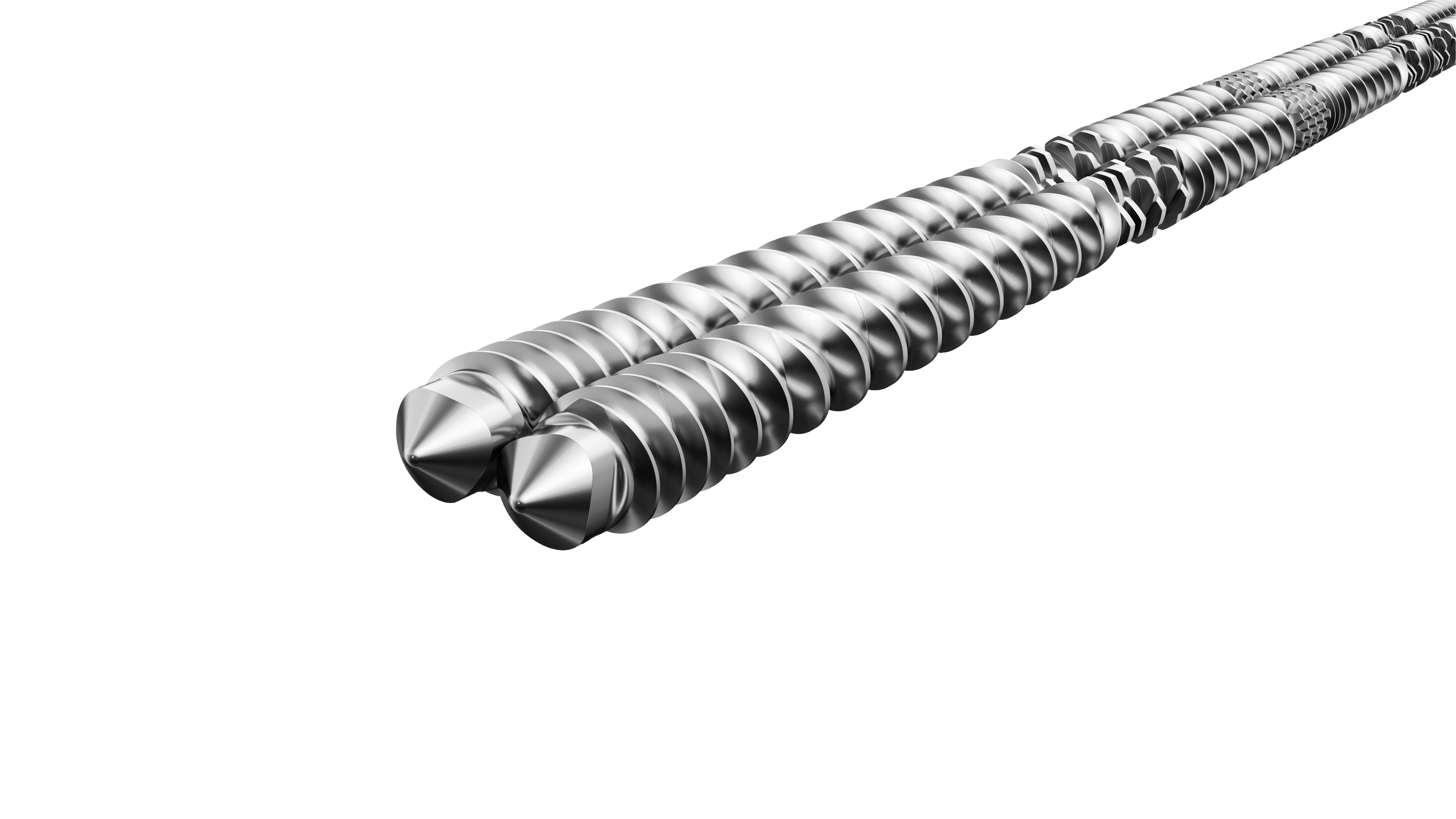
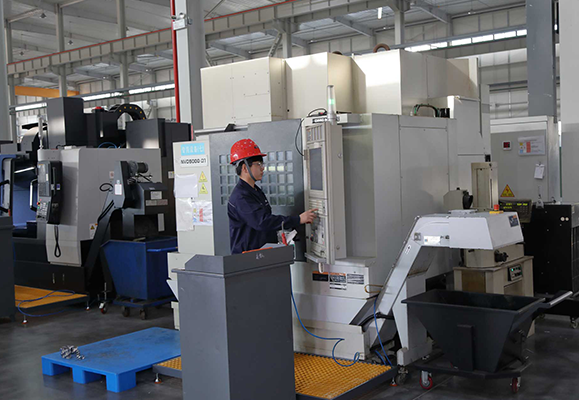
Nanjing, Jiangsu Nov 12, 2026 (Issuewire.com) - What Causes Twin-Screw Element Wear in Filled and Corrosive Compounding? In modern polymer compounding, industrial facilities increasingly process advanced engineering thermoplastics reinforced with high filler loadings and complex functional additives. However, severe operating conditions continuously tax internal extrusion hardware, progressively eroding process stability, specific energy consumption, and volumetric throughput. Within this rigorous mechanical environment, the design and integrity of each twin-screw element dictate overall melt homogeneity, pressure stability, and continuous output. When compounding abrasive glass fibers, mineral fillers, or corrosive flame retardants, physical degradation transpires silently within the sealed barrel geometry. Plant engineers frequently diagnose component wear only after volumetric efficiency drops, melt temperatures spike uncontrollably, or final product properties deviate from stringent quality specifications. Treating component wear as an inevitable routine maintenance expense incurs substantial long-term financial burdens. A rigorous engineering perspective requires looking past superficial symptoms to systematically analyze underlying physical and chemical wear mechanisms. Consequently, transitioning from reactive component replacement to a structured failure analysis methodology safeguards operational profitability while stabilizing long-term extrusion performance across complex formulation lines. The Tri-Factor Failure Framework in Harsh Compounding To accurately evaluate component degradation, industrial engineers classify damage through a tri-factor framework encompassing abrasive wear, chemical corrosion, and mechanical fatigue. While each deterioration mechanism operates via distinct tribological and chemical pathways, they frequently interact synergistically to accelerate overall equipment breakdown. First, three-body abrasive wear constitutes the primary physical destruction mode in filled polymer compounding lines. Rigid, hard particles--such as chopped glass fibers, precipitated calcium carbonate, or micro-talc--become entrapped between the rotating element flight land and the stationary barrel liner. As the screw shafts rotate under high pressures, these hard particulates function as microscopic cutting agents, sliding across metal contact surfaces to induce severe micro-plowing and micro-cutting phenomena. Over extended operating campaigns, this abrasive action strips material from the outer diameter of the flight lands, systematically widening radial clearances and diminishing positive conveying efficiency. Second, pitting corrosion originates directly from aggressive additive chemistry interacting under high thermal-mechanical stress. Halogenated flame retardants, acid-scavenging byproducts, and fluoropolymer processing aids frequently liberate corrosive species during melting and plasticization. High localized shear rates and elevated melt temperatures accelerate these chemical attacks, breaking down the passive chromium oxide protective films inherent to standard alloy steels. Consequently, micro-pitting develops along the element flanks, generating porous surface topographies that facilitate deeper chemical ingress and structural weakening. Third, high-torque mechanical fatigue induces subtle sub-surface degradation under heavy operational loads. Continuous rotational dynamics subject the elements to cyclic pressure pulses and complex bending moments. Stress concentrations naturally localize along critical geometric transitions, including drive splines, keyways, and narrow flight roots. Over millions of rotational cycles, these localized stress concentrations nucleate microscopic sub-surface fatigue cracks that eventually propagate outward, resulting in surface spalling, flight edge chipping, or catastrophic component fracture. Stress Concentration Hotspots: Specialized Mixing Elements & Barrel Clearance Amplification Specific functional elements suffer disproportionately severe degradation due to their specialized geometries and intensive mixing kinematics. While standard conveying elements facilitate steady-state axial transport, specialized mixing configurations (https://www.lesunscrew.com/products/mixing-screw-elements/) split, fold, and shear the polymer melt, creating localized stress hotspots. For instance, shallow-groove (SME) and low-shear (CKE) mixing elements incorporate specialized flight reliefs designed to induce controlled melt backflow and gentle distributive mixing. However, in heavily filled formulations, rigid abrasive particles accumulate along the groove peripheries. Restricted flow channels force these hard fillers into high-density compaction zones, elevating wall shear rates and accelerating localized wear. Similarly, toothed mixing discs (TME) and reverse-cut teeth elements (ZME) utilize complex intermeshing tooth arrays to achieve intensive dispersive melt division. Narrow inter-tooth clearances generate extreme local pressure gradients, trapping abrasive fillers and corrosive byproducts within high-shear zones and subjecting tooth flanks to relentless mechanical grinding and chemical corrosion. Furthermore, element wear initiates an escalating degradation cycle known as the clearance spillover effect. As abrasive wear enlarges the radial gap between the screw flight tips and the barrel inner diameter, polymer melt leaks backward against the primary conveying direction. This backward leakage increases localized viscous dissipation, driving melt temperatures upward beyond recommended processing thresholds. Elevated thermal energy subsequently reduces melt viscosity, diminishes pressure generation efficiency, and accelerates the thermal-chemical breakdown of sensitive additives into aggressive acidic gases. Thus, initial mechanical abrasion catalyses chemical degradation, establishing a destructive feedback loop that rapidly compromises the entire screw assembly. The Material Selection Logic: Failure Mechanism Dictates Metallurgy Combating severe component wear demands moving away from generic material specifications toward targeted metallurgical matching. In standard polyolefin extrusion, conventional nitrided steels deliver adequate service life at moderate costs; however, processing highly reinforced engineering resins requires advanced alloys engineered specifically for dual or triple failure modes. When three-body abrasive wear dominates, metallurgical design must prioritize maximizing the hard carbide volume fraction. High-vanadium powder metallurgy (PM) tool steels incorporate dense distributions of fine, hard vanadium carbides uniformly dispersed within a tough tempered martensitic matrix, effectively resisting the micro-cutting and plowing actions of glass reinforcements while maintaining tight dimensional tolerances over extended production runs. Conversely, when chemical corrosion represents the primary degradation vector, nickel-based superalloys or martensitic stainless steels provide superior passive corrosion resistance. In aggressive environments characterized by both severe abrasion and chemical attack, specialized powder metallurgy stainless steels offer an optimized balance of high surface hardness and corrosion resistance. Ultimately, selecting optimal metallurgy requires a thorough assessment of actual thermal, mechanical, and chemical processing parameters rather than relying on maximum alloy hardness alone, preventing premature failure and avoiding costly material over-specification. Authoritative Industry Insight: The Processing-Condition Approach Understanding the direct correlation between processing stressors and metallurgical response forms the bedrock of contemporary extrusion maintenance engineering. Industrial operators increasingly recognize that component longevity relies on comprehensive application engineering rather than basic reverse-engineering or dimensional copying. Addressing this industry challenge, Lesun Screw advocates a systematic methodology outlined in its technical literature regarding a processing-condition-based selection framework for twin-screw extrusion metallurgy (https://www.lesunscrew.com/lesun-releases-new-whitepaper-advocating-a-processing-condition-based-approach-to-twin-screw-extruder-screw-material-selection.html). This engineering guide emphasizes that screw material selection must begin with a comprehensive audit of operating parameters, filler morphology, additive chemistry, and thermal limits. Rather than evaluating components based solely on initial purchase price, forward-thinking compounding facilities calculate Total Cost of Ownership (TCO). High-performance metallurgical upgrades frequently deliver substantial economic value by extending maintenance intervals, stabilizing extrusion throughput, minimizing scrap rates, and eliminating costly unplanned shutdown events. How Nanjing Lesun Screw Solves Complex Wear Challenges Addressing persistent compounding wear requires a synergistic combination of precise manufacturing execution, advanced metallurgy, and expert technical diagnostics. As a specialized global manufacturer, Lesun Screw (https://www.lesunscrew.com/company-profile.html) provides engineered solutions designed to optimize twin-screw extruder performance across demanding industrial applications. Operating from a modern 10,000-square-meter manufacturing facility, the company integrates advanced cold-forming shaft technology and high-precision CNC machining centers to produce high-performance screw elements, barrels, and shafts fully compatible with major global extruder brands. To support compounding facilities grappling with severe wear issues, Nanjing Lesun Screw Co., Ltd. provides comprehensive wear part failure analysis services. Metallurgical specialists utilize coordinate measuring machines (CMM), alloy spectrometer analysis, and advanced non-destructive surface flaw detection to audit worn components, isolate dominant failure modes, and prescribe optimized element geometries and material pairings. By integrating premium powder metallurgy alloys with precision manufacturing, Nanjing Lesun Screw Co., Ltd. empowers compounding plants to extend component service life, mitigate operational risks, and maintain peak manufacturing performance. Discover advanced twin-screw extruder spare parts and technical services at https://www.lesunscrew.com/.
Source :Lesun Screw
This article was originally published by IssueWire. Read the original article here.
More News








Recommended









YOUR NEWS, OUR NETWORK.
Do you have Great News you want to tell the world?
Be it updates about your business or your community, you can make sure that it’s heard by submitting your story to our network reaching hundreds of news sites across 6 verticals.