Twin-Screw Screw Element Specifications: Diameter, Pitch, Length, and Material Selection Guide
Nov 13, 2026
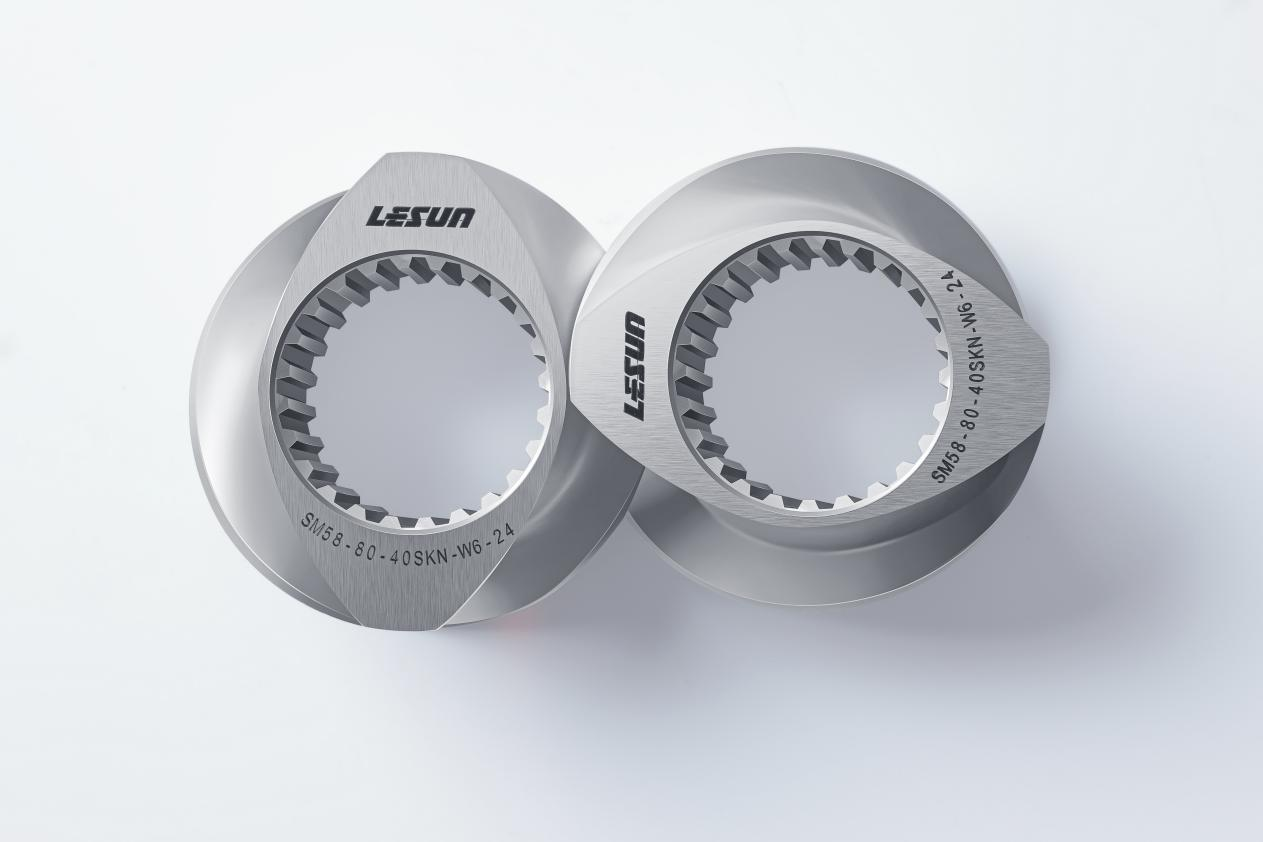
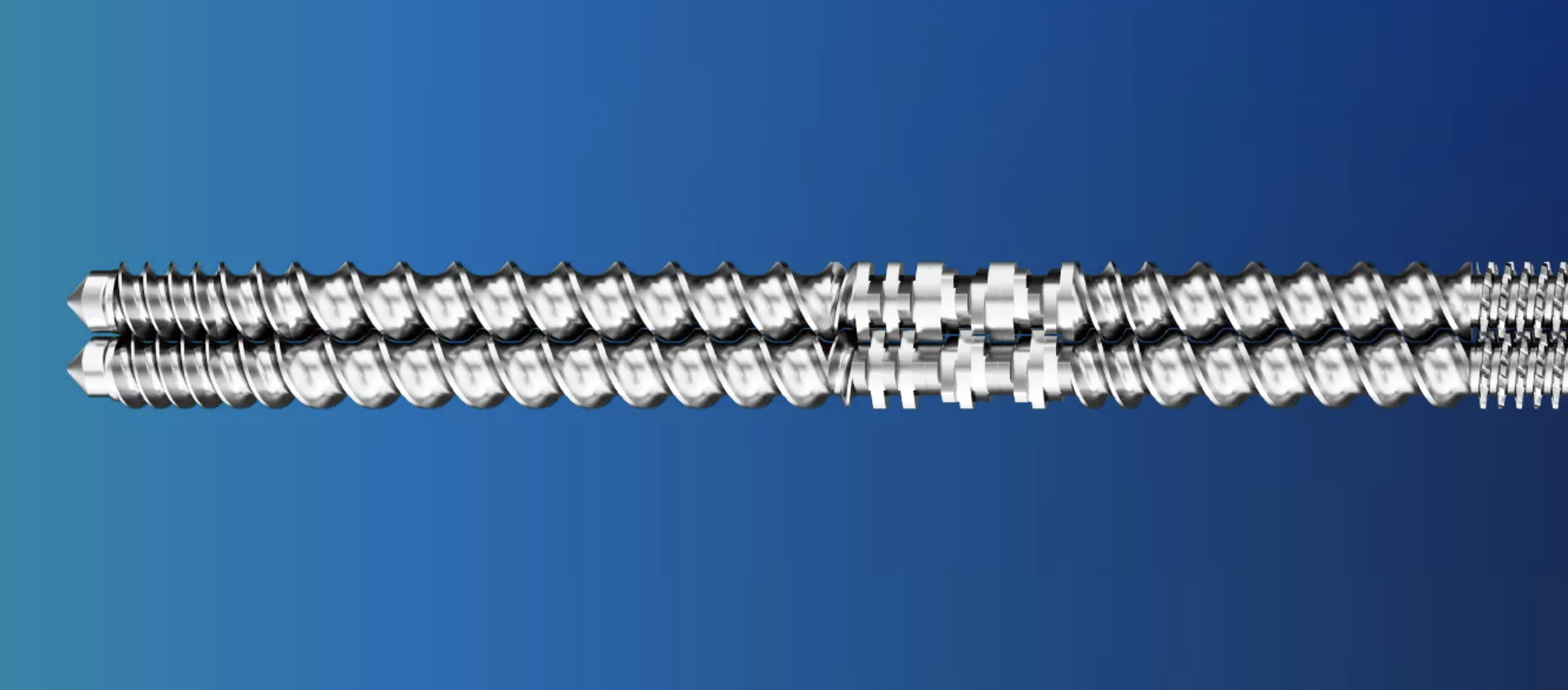
Nanjing, Jiangsu Nov 12, 2026 (Issuewire.com) - Twin-Screw Screw Element Specifications: Diameter, Pitch, Length, and Material Selection Guide The thermodynamic behavior of polymer melts within co-rotating twin-screw extruders depends heavily on mechanical design parameters. Polymer processing engineers face continuous challenges when balancing throughput, thermal degradation, and mechanical energy input. Specifying the correct Twin-Screw Screw Element (https://www.lesunscrew.com/products/) geometry determines the exact shear history, residence time distribution, and pressure build-up along the process section. Trial-and-error configurations often produce inconsistent melt quality, excessive melt temperatures, or unnecessary equipment wear. Therefore, technical teams must transition from empirical guessing toward a systematic, parameter-driven engineering framework. Understanding how fundamental specifications influence extrusion physics empowers processing engineers to optimize compounding performance while minimizing operational risks. Section 1: Diameter Specifications and Do/Di Ratios: Free Volume vs. Shear Stress The ratio between outer diameter (Do) and inner diameter (Di) represents one of the most critical structural specifications in extruder design. Standard geometries typically feature Do/Di ratios ranging from 1.20 to 1.77 depending on torque density and application requirements. A higher Do/Di ratio increases free volume inside the barrel, allowing higher volumetric intake of low-density materials. However, a larger outer diameter relative to the inner root diameter reduces the core shaft cross-section, limiting total torque transmission capacity. Conversely, smaller Do/Di ratios provide a thicker shaft core capable of handling extreme mechanical loads, though at the expense of available processing volume. Outer diameter dimensions also dictate peripheral tip speed, which directly governs the shear rate applied to the polymer matrix. When scaling processes from laboratory machines to commercial production lines, engineers must adjust diameter specifications carefully. Maintaining a constant average shear rate across different screw sizes prevents thermal degradation in heat-sensitive resins while ensuring proper additive dispersion. Section 2: Kinematics of Pitch and Lead Angle: Conveying, Compression, and Degassing Pitch specification controls the axial movement velocity and degree of fill along the screw channel. Large-pitch conveying elements move material rapidly through primary feed zones, preventing early melting and feed throat bridging. Specialized high-capacity variants, such as SK and SSK conveying elements, feature optimized flight profiles that increase volumetric intake capacity for bulk powders and light fillers. As the polymer moves downstream into plastication zones, pitch dimensions gradually decrease to compress the material and remove entrapped air. Short-pitch metering elements generate predictable pressure ahead of extrusion dies or side feeders. These tightly wound profiles ensure complete channel filling, establishing a stable melt pressure. Furthermore, lead direction plays a vital role in process dynamics. Right-hand elements convey material forward, whereas left-hand reverse elements generate localized backpressure. Placing a short reverse-pitch element upstream of a degassing port creates a melt seal, preventing polymer from entering the vacuum venting system. Section 3: Modular Length and Element Profile Architecture: Customizing Shear & Mixing Extruder screw configurations rely on modular length segments, measured in length-to-diameter ratios, to tailor processing zones. Selecting specific element profiles within these zones directly affects dispersive and distributive mixing performance. Kneading blocks perform the primary work of melting and dispersion. Forward kneading elements with 30, 45, or 60-degree stagger angles balance axial conveying with controlled mechanical energy input. Neutral kneading elements with a 90-degree stagger angle apply high shear stress without axial pumping, maximizing pigment and filler deagglomeration. Reverse kneading elements introduce intense localized shear while building backpressure for upstream mixing. When processing shear-sensitive polymers or delicate reinforcements like long glass fibers, standard kneading blocks may generate excessive thermal spikes. In these cases, specialized distributive mixing elements offer an ideal alternative. Scalloped SME elements, tooth TME elements, reverse-tooth ZME designs, and cavity CKE elements divide and recombine polymer streams continuously. These specialized geometries enhance spatial homogeneity without introducing damaging peak shear rates. Combining appropriate modular lengths with tailored element profiles ensures optimal compound properties across varied formulation requirements. Section 4: Processing-Condition-Based Material Selection Framework Selecting the appropriate metallic substrate is just as vital as choosing the correct geometric profile. A recent technical whitepaper published by the engineering team advocates a processing-condition-based material selection approach for extruder components. Rather than relying on generic alloy choices, component metallurgy must reflect specific abrasive, corrosive, and mechanical stress profiles present in the barrel. Standard plastic modification processes involving unfilled engineering polymers perform reliably with high-speed tool steels like W6Mo5Cr4V2 or M2. However, compounding formulations containing high proportions of glass fiber, ceramic fillers, or flame retardants require advanced metallurgy. Powder metallurgy alloys produced via hot isostatic pressing, such as CPM 10V or WR13, provide superior wear resistance and extended component service life. Corrosive processing environments involving fluoropolymers or halogenated additives demand specialized nickel-base or corrosion-resistant stainless alloys. Furthermore, mechanical performance depends on drive component synergy. Combining wear-resistant elements with advanced drive components, as demonstrated in technical studies explaining how cold-formed screw shafts improve torque transmission in high-load compounding lines (https://www.lesunscrew.com/how-cold-formed-screw-shafts-improve-torque-transmission-in-high-load-compounding-lines.html), ensures long-term system reliability under continuous high-torque operation. Section 5: Engineering Decision Tree & Global Specification Capability Navigating component selection requires a systematic decision framework. Engineers must first identify the primary process limiting factor, whether volume intake, melt temperature control, or material wear. Next, technical teams match polymer viscosity, filler content, and thermal sensitivity with corresponding diameter ratios, pitch graduations, and element profiles. Finally, metallurgy selection secures mechanical integrity against abrasion and corrosion. Implementing this decision framework demands access to precise manufacturing capabilities and comprehensive specification databases. Industrial supplier Lesun Screw (https://www.lesunscrew.com/company-profile.html) (Nanjing Lesun Screw Co.,Ltd.) supports global compounding operations by maintaining an extensive database of over 12,000 verified screw element specifications. This comprehensive engineering catalog enables precise matching for leading international extruder brands. Through advanced coordinate measuring technology and rigorous metallurgical testing, Lesun Screw delivers custom-engineered components that match exact operational demands. Conclusion: Optimizing Compounding Productivity Through Parametric Precision Mastering screw element specifications transforms compounding line maintenance from reactive component replacement into strategic value engineering. Aligning geometric parameters with thermal and mechanical process requirements eliminates production bottlenecks and reduces component wear. Processing engineers who utilize parameter-driven selection protocols achieve consistent product quality, higher throughput, and extended equipment lifespan. Exploring comprehensive specification databases and technical consulting resources at https://www.lesunscrew.com/ (https://www.lesunscrew.com/?utm_source=gemini) establishes a solid technical foundation for optimizing global extrusion operations.
Source :Lesun Screw
This article was originally published by IssueWire. Read the original article here.
More News








Recommended










YOUR NEWS, OUR NETWORK.
Do you have Great News you want to tell the world?
Be it updates about your business or your community, you can make sure that it’s heard by submitting your story to our network reaching hundreds of news sites across 6 verticals.