Twin-Screw Screw Element Interchangeability: 10 Checks Before Replacing OEM Parts
Nov 13, 2026
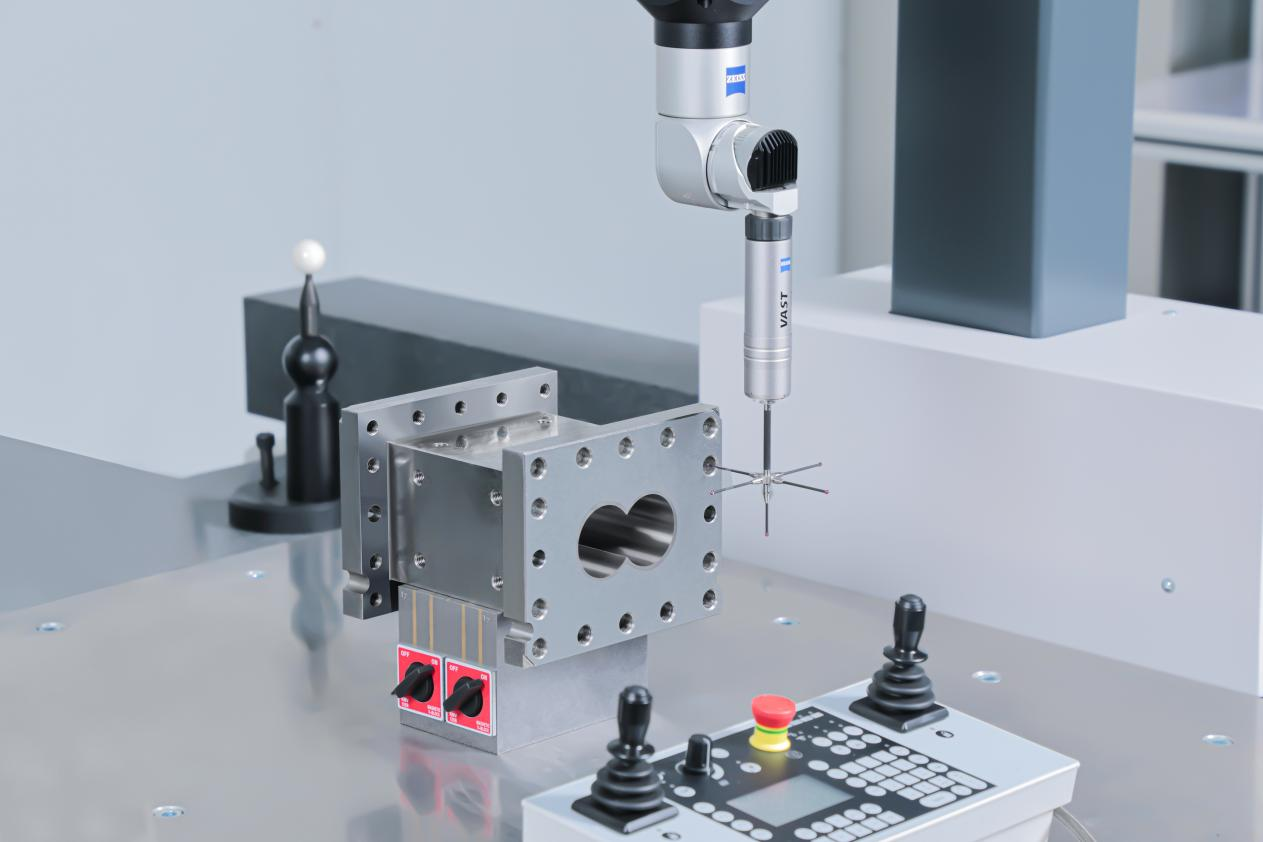
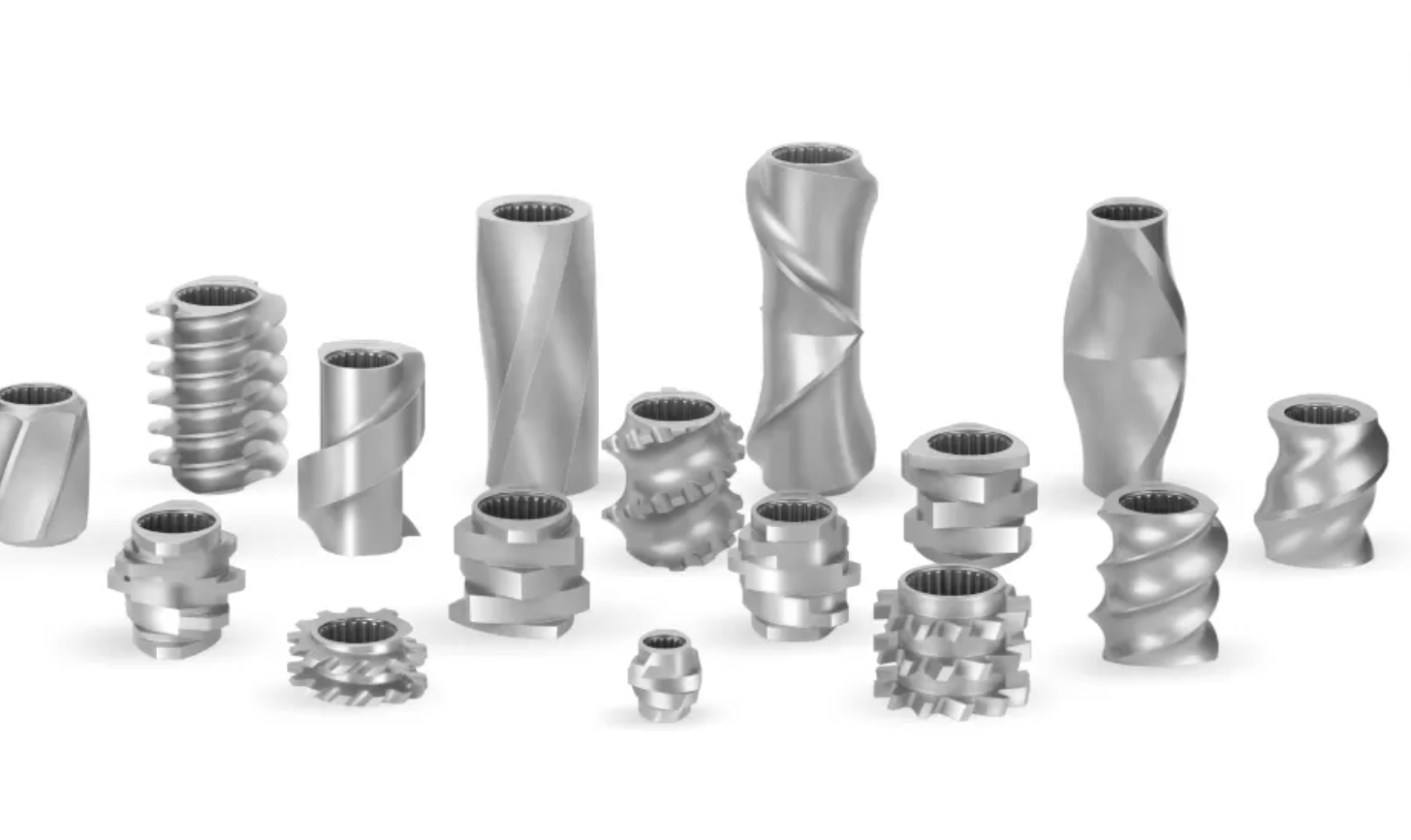
Nanjing, Jiangsu Nov 12, 2026 (Issuewire.com) - Twin-Screw Screw Element Interchangeability: 10 Checks Before Replacing OEM Parts Modern compounding facilities constantly balance operational productivity with maintenance costs. High-torque twin-screw extruders operate under rigorous mechanical stress, demanding regular component replacement to preserve melt quality and throughput. Plant managers frequently evaluate alternative component suppliers to lower operating expenses. Replacing original equipment manufacturer components with third-party options offers clear economic advantages. However, dimensional mismatches or metallurgical deviations can create severe operational disruptions. Installing an unverified Twin-Screw Screw Element (https://www.lesunscrew.com/products/) might cause premature barrel scoring, excessive shear heating, or sudden mechanical failure. Engineers must evaluate replacement parts through rigorous technical checks rather than simple visual inspection. Systematic verification prevents unscheduled downtime and ensures consistent polymer processing across demanding manufacturing schedules. Section 1: Mechanical Fit & Shaft Spline Interface Check 1: Spline Geometry and Connection Profile Accuracy Torque transmission relies entirely on precise physical coupling between the drive shaft and internal element profiles. Extruder designs utilize various connection standards, including involute splines under DIN 5480, hexagonal profiles, rectangular splines, and single-key designs. Minor variations in spline pitch or tooth root radius induce localized stress concentration during operation. Consequently, improper shaft fit leads to micro-fretting corrosion, power losses, and severe shaft seizing. Precision milling and advanced cold-forming manufacturing methods yield exact spline geometry. These technical processes ensure smooth sliding fits and prevent fatigue failure on high-torque production lines. Check 2: Outer Diameter, Inner Diameter, and Center Distance Ratios The ratio between outer diameter and inner diameter governs both volumetric intake capacity and shear generation within the barrel. Deviations in outer diameter disrupt the tight clearance required between the screw tip and the barrel wall. Furthermore, improper root dimensions compromise intermeshing self-wiping action. Stagnant polymer pockets form when clearances widen, leading to material degradation and black spots in finished compounds. Conversely, undersized clearances risk direct metal-to-metal contact during peak load conditions. Maintenance technicians must cross-verify center distance geometry with OEM specifications before installation. Section 2: Helicoid Geometry & Axial Assembly Tolerance Check 3: Pitch, Lead Direction, and Flight Multiplicity Verification Conveying efficiency depends on exact helicoid geometry across different processing zones. Single-flighted, double-flighted, and triple-flighted elements serve distinct feeding, compression, and pressurization roles. Specialized large-pitch variants, such as SK and SSK designs, boost volumetric intake for low-density bulk powders. Installing an element with incorrect lead pitch or reversed flight direction alters axial pressure gradients immediately. Consequently, feed throat backing and throughput fluctuations occur, destabilizing die pressure. Engineers must confirm pitch continuity across the entire screw configuration before shaft assembly. Check 4: Axial Length Accumulation & Thermal Expansion Stack-Up Individual element length tolerances accumulate across long extruder barrels spanning 40D to 52D length-to-diameter ratios. A tiny dimensional variation of plus or minus 0.02 millimeters on a single component builds significant cumulative error over forty barrel diameters. During continuous processing, barrel temperatures reach 200 to 380 degrees Celsius. Thermal expansion compounds axial length errors under these elevated operating conditions. Uncontrolled stack-up causes severe axial binding against end caps or creates gaps where molten plastic degrades. Technical evaluations detailed in the case study on global alternative supplier qualification (https://www.lesunscrew.com/case-study-how-lesun-screw-became-a-qualified-alternative-supplier-of-twin-screw-extruder-components-for-global-customers.html) emphasize exact individual length verification under standardized ambient conditions. Section 3: Shear Rate, Dispersion & Mixing Element Profile Check 5: Kneading Block Stagger Angle, Disc Width, and Edge Radii Kneading blocks control plastication and dispersive mixing within compounding systems. Forward kneading blocks at 30, 45, or 60-degree stagger angles balance conveying action with plastication energy. Neutral 90-degree blocks maximize dispersion intensity, while reverse blocks build backpressure for degassing zones. Slight differences in disc edge radii or disc width shift local shear rates dramatically. Elevated shear rates increase melt temperatures unexpectedly and degrade sensitive polymers. Maintenance engineers must audit disc geometry to maintain original mixing profiles. Check 6: Specialized Mixing Element Cut-Out Profiles Distributive mixing requires specialized element geometry to divide and recombine melt streams smoothly. Scalloped SME elements, tooth TME elements, reverse-tooth ZME designs, and cavity CKE elements modify flow patterns without excessive shear input. Advanced production facilities like Lesun Screw (https://www.lesunscrew.com/company-profile.html) (Nanjing Lesun Screw Co.,Ltd.) utilize multi-axis CNC machining to replicate complex notch counts and helical groove angles. Matching these intricate contours ensures consistent color dispersion and filler distribution across different production batches. Section 4: Metallurgy, Heat Treatment & Mechanical Performance Check 7: Substrate Material Composition & Inclusions Mechanical durability depends on selecting base metal alloys engineered for specific compounding environments. Standard plastic modification applications utilize high-speed tool steels like W6Mo5Cr4V2 or M2. High-fiber reinforcement or corrosive additive formulations require specialized powder metallurgy alloys like CPM 10V or WR13. Optical emission spectroscopy verifies exact alloy chemistry prior to machining. Ultrasonic flaw detection identifies internal material inclusions, preventing sudden structural fracturing under dynamic mechanical stress. Check 8: Heat Treatment Depth, Hardness Gradient, and Core Toughness Surface hardness alone does not guarantee long component operating lifespan. Proper vacuum heat treatment creates a consistent surface hardness range between 58 and 64 HRC across working surfaces. Simultaneously, heat treatment must preserve high core toughness. Brittle core metallurgy leads to immediate spline shearing under sudden torque surges or cold starts. Hardness gradient testing ensures that components withstand high torsional loads without chipping along delicate flight tips. Section 5: Manufacturing Precision & Engineering Verification Check 9: Surface Roughness and Micro-Edge Chamfering Internal flow channels require high surface finishing quality to minimize polymer melt adhesion. Surface roughness values above 0.8 micrometers increase material dragging and prolong color purging transitions. Furthermore, sharp unchamfered edges on flight tips create localized stress concentration points during rotation. Precision polishing and controlled micro-edge chamfering streamline material movement, reduce cleaning downtime, and extend overall component life. Check 10: 3D Metrology & Drawing Optimization Protocol Manual measurement instruments like calipers cannot fully capture complex involute curves and intermeshing profiles. Modern quality assurance protocols utilize ZEISS coordinate measuring machines to scan three-dimensional geometries precisely. Reverse engineering services transform worn physical samples into precise CAD drawings and bill of materials lists. Detailed drawing optimization eliminates legacy design flaws and guarantees seamless component interchangeability across global extruder brands. Conclusion: Elevating Alternative Sourcing into a Value Engineering Strategy Transitioning from OEM component supply to qualified third-party manufacturing provides substantial operational agility and cost optimization. However, achieving seamless interchangeability requires comprehensive technical verification across mechanical, geometric, and metallurgical parameters. Engineering teams reduce operational risks by standardizing these ten crucial inspection steps. Specialized manufacturers like Nanjing Lesun Screw Co.,Ltd. deliver precise, fully compatible replacement parts that optimize extrusion efficiency. Through advanced metrology, certified raw materials, and precision cold-forming technology, Lesun Screw provides reliable components for global extrusion facilities. Exploring full technical specifications and custom manufacturing services at https://www.lesunscrew.com/ (https://www.lesunscrew.com/?utm_source=gemini) establishes a solid foundation for long-term production stability.
Source :Lesun Screw
This article was originally published by IssueWire. Read the original article here.
More News








Recommended










YOUR NEWS, OUR NETWORK.
Do you have Great News you want to tell the world?
Be it updates about your business or your community, you can make sure that it’s heard by submitting your story to our network reaching hundreds of news sites across 6 verticals.