How to Prepare a Twin-Screw Extruder Screw Element Stock Control Plan for a Compounding Plant
Nov 13, 2026
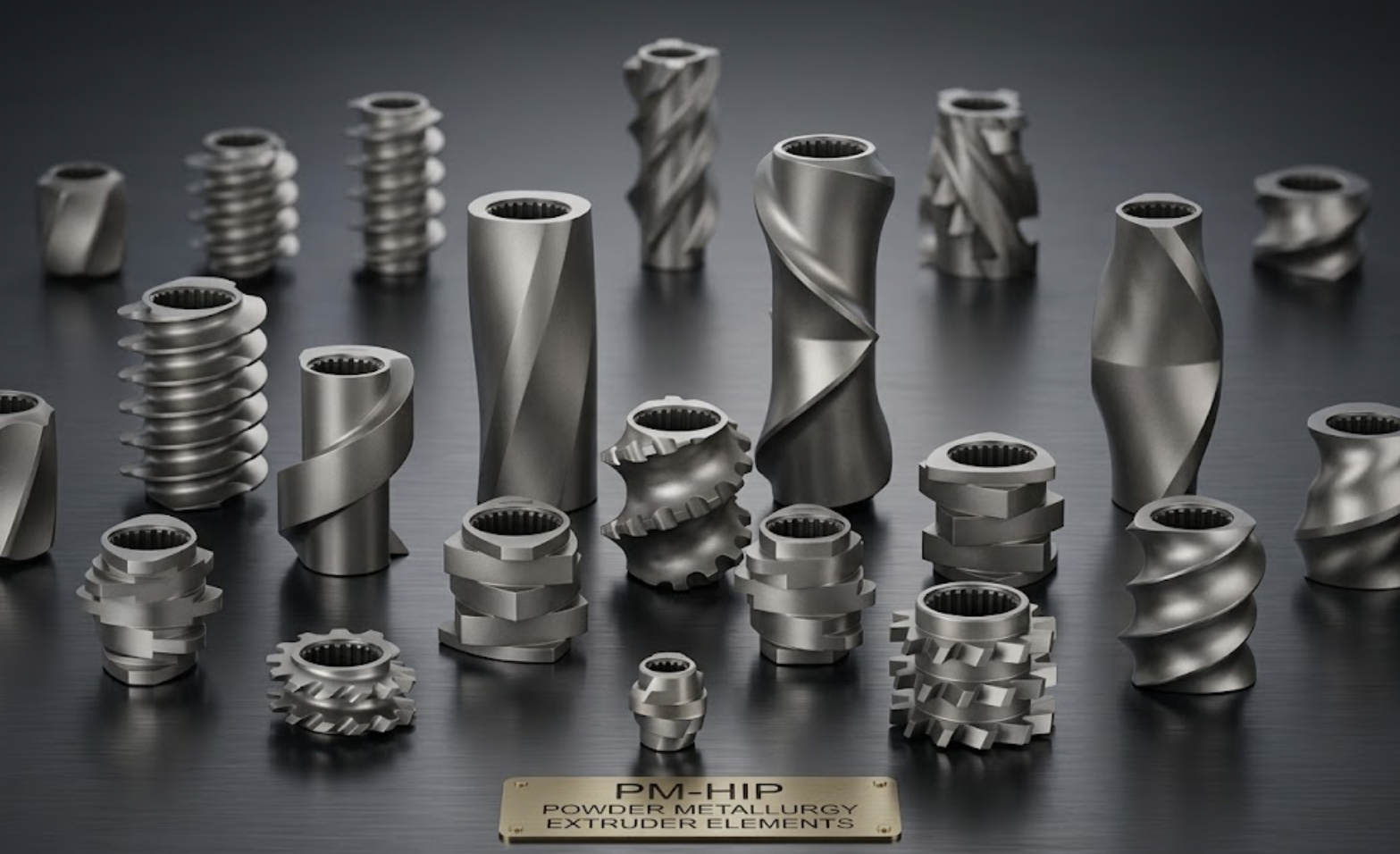
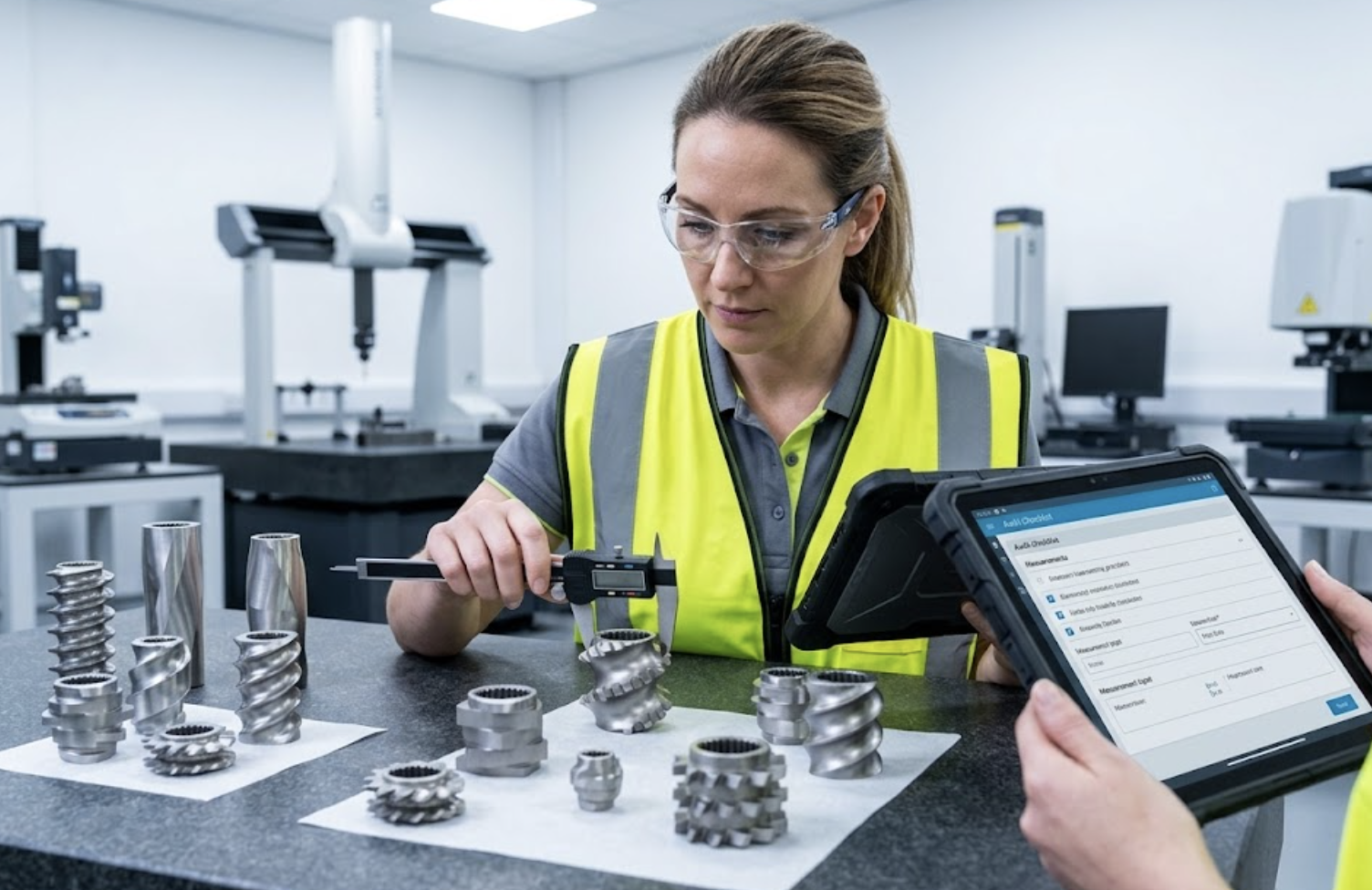
Nanjing, Jiangsu Nov 12, 2026 (Issuewire.com) - How to Prepare a Twin-Screw Extruder Screw Element Stock Control Plan for a Compounding Plant Polymer processing facilities manage complex production schedules across multiple extrusion lines simultaneously. Facilities running diverse compounding applications must continuously balance operational uptime against inventory holding costs. Because modular twin-screw machinery relies on configurable screw shaft assemblies, maintenance teams must manage a wide range of conveying elements, kneading blocks, and specialized mixing elements. Across a large manufacturing site operating multiple equipment brands, the number of distinct screw element configurations and part numbers can be substantial. Without an organized spare parts management strategy, maintaining such a broad inventory can tie up significant working capital and create warehouse complexity. Therefore, forward-thinking maintenance managers implement structured inventory strategies centered on modular Twin-Screw Extruder Screw Element (https://www.lesunscrew.com/products/screw-element/) to maintain production readiness. A unified stock control plan helps facilities reduce emergency freight costs and administrative procurement overhead. A primary operational challenge is the uneven distribution of component wear along the extruder processing length. In applications involving abrasive fillers, localized wear in melting and mixing sections, as well as in processing zones downstream of side feeders, can progress significantly faster than in upstream conveying sections that are not directly exposed to high concentrations of abrasive materials. Abrasive fillers such as glass fibers, talc, and calcium carbonate can progressively wear screw element outer diameters, flight tips, and other working surfaces. As a result, high-shear kneading blocks and mixing elements exposed to concentrated abrasive fillers may require replacement substantially earlier than upstream conveying elements, depending on filler loading, screw speed, throughput, screw configuration, and material selection. Liquid injection and side-feeding locations may also involve demanding processing conditions, but their contribution to wear depends on the material system and operating conditions. Replacing an entire screw assembly when only selected elements have reached their defined functional wear limits can create unnecessary expenditure. Conversely, insufficient stock of critical high-wear elements increases the risk of unplanned downtime when unexpected wear leads to reduced conveying efficiency, unstable pressure development, or deterioration in mixing performance. A systematic inventory strategy helps address these operational challenges effectively. ABC Categorization: Structuring High-Wear vs. Standard Screw Element Inventory Establishing a lean inventory control plan requires categorizing replacement parts according to consumption value, demand frequency, operational criticality, and replacement risk. Maintenance and procurement teams can use ABC analysis to prioritize inventory control across thousands of individual part numbers. In a conventional ABC model, Category A contains items with the highest annual consumption value and therefore requires the closest inventory control. High-wear screw elements may fall into Category A when their replacement frequency and annual consumption value justify this level of control. These may include commonly used kneading blocks, reverse conveying elements, and other frequently replaced configurations used in abrasive or high-filler applications (https://www.lesunscrew.com/blog/why-high-filler-materials-accelerate-screw-wear-in-twin-screw-extrusion.html). Their stock levels should be monitored closely where historical consumption and wear data indicate a significant risk of stockout. Category B comprises components with moderate annual consumption value and relatively predictable demand, such as standard conveying elements, pitch transitions, and commonly used side-feeder elements. Facilities can manage Category B inventory through scheduled reviews and replenishment based on historical consumption, operating hours, and supplier lead times. Category C consists of low-consumption or highly specialized components, including less frequently used mixing geometries and application-specific elements. Because these items have limited demand, facilities may maintain lower stock levels and rely on planned procurement or supplier-supported stocking arrangements where appropriate. Grouping screw elements according to inventory value, demand characteristics, and operational criticality allows purchasing departments to allocate working capital more effectively while maintaining appropriate availability for critical components. Wear Monitoring Protocols and Quantitative Safety Stock Formulas Transitioning from reactive maintenance to data-driven inventory management requires systematic wear inspection and record-keeping procedures. During planned maintenance shutdowns, technicians should measure screw element outer diameters and relevant screw-to-barrel clearances using calibrated dimensional inspection equipment appropriate to the component geometry. For simple dimensional checks, suitable micrometers or other calibrated measuring instruments may be used, while optical or coordinate-based measurement systems can be appropriate for complex screw profiles. Recording dimensional changes at defined measurement locations allows engineers to estimate wear rates, such as dimensional loss or clearance growth per 1,000 operating hours. Measurements should be taken at consistent locations and under consistent inspection procedures to improve the reliability of historical comparisons. As radial clearance increases beyond a defined functional wear limit, leakage flow may increase and conveying efficiency may decline, potentially affecting throughput, pressure stability, mixing performance, and melt temperature. Establishing application-specific wear thresholds enables maintenance managers to estimate remaining service life and plan replacement requirements before component condition reaches a critical level. With historical consumption, replacement, and wear data, procurement teams can establish quantitative reorder points and safety stock levels. A standard reorder point can be expressed as: Reorder Point = Average Daily Consumption -- Supplier Lead Time + Safety Stock In this framework, safety stock provides protection against demand variability, unexpected component replacement, and supplier lead-time fluctuations. A simple planning approach can estimate additional safety stock by comparing expected consumption under higher-demand conditions and longer lead times with average consumption during normal conditions. For Category A components, an appropriate service-level or safety factor can be incorporated to provide additional protection against stockouts during high-wear production campaigns, such as heavy mineral-filled or glass-fiber-reinforced compounding. The appropriate safety stock method should reflect the variability of demand and supplier lead time rather than relying solely on maximum daily consumption and maximum lead time. This quantitative approach reduces reliance on subjective purchasing decisions, limits unnecessary inventory accumulation, and improves spare parts availability. Establishing Rapid Replenishment Mechanisms with Engineering Partners While internal inventory models help establish appropriate stock levels, maintaining lean warehouse operations also requires dependable supplier responsiveness. Compounding facilities cannot economically stock every possible screw element configuration for multiple formulations and equipment platforms. Therefore, facilities can establish strategic replenishment partnerships with specialized component manufacturers. Experienced suppliers such as Lesun Screw (https://www.lesunscrew.com/company-profile.html) (Nanjing Lesun Screw Co., Ltd.) provide flexible manufacturing capacity, expedited production support, and dimensional compatibility across multiple twin-screw extruder platforms. Working with specialized engineering partners allows processing facilities to reduce the amount of inventory held on site while maintaining access to replacement components when required. For suitable repeat configurations, established drawings, materials, and production processes can help shorten replenishment lead times from months to weeks, providing an additional safeguard against unexpected maintenance requirements and production peaks. Partnering with external component specialists also simplifies technical verification and supports dimensional consistency. Established manufacturers maintain drawing and configuration archives for multiple European, Asian, and North American extruder platforms. When compounding facilities require replacement components, supplier engineering teams can reference existing drawings and configuration records to manufacture compatible screw elements without requiring physical samples for every repeat order. Furthermore, specialized suppliers can apply quality-control procedures covering outer diameter dimensions, spline fit, material condition, heat treatment, and surface hardness before dispatch. Working with verified engineering partners reduces the technical workload associated with repeat procurement and helps ensure that replacement elements meet the required dimensional and material specifications for installation during planned or urgent maintenance. Strategic Inventory Management with Nanjing Lesun Screw Co., Ltd. Building a sustainable spare parts control plan requires a component manufacturer capable of supporting complex, multi-brand extrusion lines. As a dedicated extrusion component specialist, Nanjing Lesun Screw Co., Ltd. provides spare parts solutions for global compounding facilities. By utilizing multi-axis CNC machining and controlled heat-treatment processes, the company manufactures conveying elements, kneading blocks, and specialized mixing components for a wide range of twin-screw extruder configurations. The engineering team works with plant maintenance managers to analyze localized wear patterns, evaluate material requirements, and establish appropriate replenishment schedules. To streamline inventory management for processing plants, Lesun Screw maintains digital records of customer-specific component configurations, drawing revisions, and material specifications. This enables maintenance managers to reorder repeat screw elements using established part numbers and configuration records, reducing the time required for technical verification and order preparation. Furthermore, Nanjing Lesun Screw Co., Ltd. maintains raw material stocks covering tool steels, stainless alloys, and powder metallurgy materials to support different wear and corrosion requirements. This material availability, combined with established manufacturing capacity, supports shorter production lead times for urgent maintenance requirements. By combining metallurgical expertise, precision manufacturing, and organized supply chain support, specialized engineering partners can help compounding plants optimize spare parts inventory and improve production continuity. To explore complete screw element configurations and spare parts management solutions, visit https://www.lesunscrew.com/.
Source :Lesun Screw
This article was originally published by IssueWire. Read the original article here.
More News







Recommended










YOUR NEWS, OUR NETWORK.
Do you have Great News you want to tell the world?
Be it updates about your business or your community, you can make sure that it’s heard by submitting your story to our network reaching hundreds of news sites across 6 verticals.