China's Henna Powder Bulk Suppliers Gain Attention from Global Buyers
Nov 12, 2026
Xian, Shaanxi Nov 12, 2026 (Issuewire.com) - China's Henna Powder Bulk Suppliers Gain Attention from Global Buyers
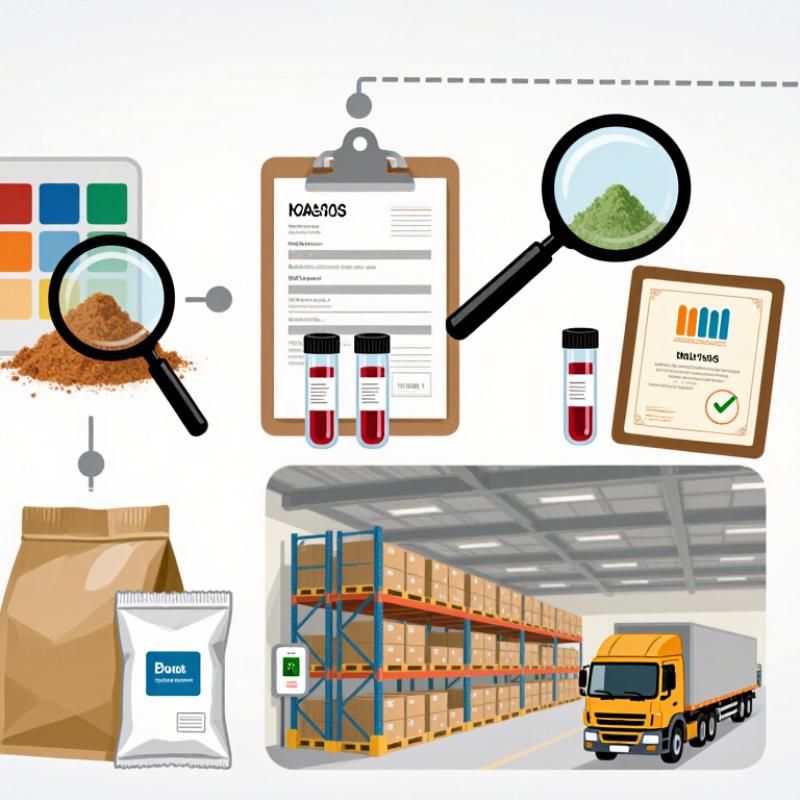
Finding a dependable Henna Powder Bulk Supplier in China requires more than comparing prices. Buyers should evaluate product consistency, batch documentation, communication, and the supplier's ability to meet realistic order requirements. A professional catalog may provide useful information, but it does not guarantee that every shipment will match the approved sample.
The evaluation should begin with the powder itself. Request a recent sample and inspect its color, aroma, texture, and fineness under consistent conditions. Batch-specific test documents should also be reviewed to understand what each test covers. Natural materials may vary due to differences in crop conditions, making repeated comparisons important.
Buyers should also examine traceability, packaging, storage conditions, and production lead times. Clear information about batch identification and moisture protection can help assess how carefully the product is managed. Minimum order quantities, packaging options, and shipping arrangements should be confirmed before placing a large order.
Define Henna Powder Grade, Intended Use, and Target Market Requirements
Before contacting a bulk supplier in China, buyers should define the intended application of the henna powder. Hair coloring, body art, and botanical blends may require different particle sizes, color strength, and handling characteristics.
Request the product grade, mesh size, moisture level, and recent batch analysis rather than relying on general product descriptions. Coarse powder may leave visible residue, while inconsistent color can affect repeat production. Ideally, the sample should come from the same production lot intended for the larger order.
Testing should follow the actual application process. Record the mixing ratio, steeping time, aroma, and final shade instead of relying exclusively on a quick visual inspection.
Target-market requirements also influence product specifications. Some buyers prioritize fine texture and consistent color, while others require clear ingredient information, origin details, or packaging suitable for humid storage environments.
Ask suppliers how they manage cleaning, drying, milling, and batch-to-batch variation. Confirm that product names, dates, and batch numbers match across labels, specifications, and certificates. Requirements vary by destination and intended use, so applicable product and labeling regulations should be reviewed by a qualified specialist.
Screen China Suppliers for ISO 22716 GMP and Export Experience
When comparing Chinese henna powder suppliers, ISO 22716 GMP certification can serve as an initial screening reference, but it should not be treated as a guarantee of product quality.
Request a current certificate and verify its issuing organization, facility address, certification scope, and validity period. Confirm that the certificate covers the actual manufacturing or handling facility supplying the order rather than an affiliated office.
ISO 22716 addresses cosmetic Good Manufacturing Practices, including production, quality control, storage, and shipment. However, certification does not independently prove that every batch meets the buyer's specifications.
Export experience should be evaluated separately. Buyers can request redacted shipping records, product specifications, and examples of destination-specific documentation. Sensitive customer information can be removed while retaining relevant evidence.
Ask how the supplier tracks batch numbers from incoming leaves through milling, packaging, and dispatch. A reliable supplier should also explain its procedures for moisture checks, foreign-matter screening, and retained samples.
Before discussing a large shipment, order a representative sample and assess its color, aroma, texture, and packaging. Request a batch-specific certificate of analysis and confirm which tests were performed, by whom, and when.
Verify Botanical Identity, Lawsone Assay, Moisture, and Mesh Size
A reliable henna powder supplier should clearly identify the botanical source as Lawsonia inermis and specify that the powder is derived from leaves.
Request batch-level documentation rather than relying on a general product sheet. The botanical name should appear consistently on the product label, specification sheet, and certificate of analysis.
A lawsone assay is another important quality indicator. Lawsone content can influence staining performance, so buyers should request information about the measurement method and compare results across recent production batches.
However, a single assay result does not establish consistent product quality. Independent testing of a sealed pre-shipment sample can provide additional verification.
Moisture and mesh size also influence storage, handling, and processing. Excess moisture may encourage clumping and reduce usable storage time. Buyers should request the measured moisture level and agree on an acceptable range before purchasing.
For mesh size, request sieve-analysis results expressed in microns or mesh. Compare these measurements with the requirements of the intended application. Although a fine powder should generally have a relatively uniform texture, physical inspection cannot replace laboratory measurement.
Batch traceability should extend from incoming leaves through the milling process. Sample results should correspond to the actual production lot being purchased.
Benchmark Microbial Results Against ISO 17516: 10² or 10³ CFU/g
When evaluating a henna powder bulk supplier in China, buyers should request batch-specific microbiological test results rather than relying exclusively on general quality certificates.
ISO 17516:2014 establishes microbiological limits for finished cosmetic products. For products intended for children under three years old, the eye area, or mucous membranes, the total aerobic mesophilic microorganism limit is generally no more than 10² CFU/g or CFU/mL. For other cosmetic products, the corresponding benchmark is generally 10³ CFU/g or CFU/mL.
The standard also specifies that Escherichia coli, Pseudomonas aeruginosa, Staphylococcus aureus, and Candida albicans should not be detected in 1 g or 1 mL of the tested cosmetic product.
These limits provide useful evaluation references, but ISO 17516 applies to finished cosmetic products rather than automatically establishing a universal raw-material specification for bulk henna powder.
Buyers should therefore distinguish between raw-material testing and finished-product testing. Request the laboratory method, sampling date, batch number, and results for bacteria, yeast, and mold. ISO 21149 and ISO 16212 describe relevant enumeration methods.
Compare results across several production lots and confirm whether samples were tested before or after processing. Dry powder may still contain microorganisms introduced through soil, handling, or storage.
Keeping a sealed sample from each shipment and arranging independent testing when results vary can improve quality control. The applicable acceptance criteria should reflect the intended product category and destination-market requirements.
Check EU Cosmetics Regulation 1223/2009 and Batch Traceability
When assessing a henna powder bulk supplier in China, buyers should understand how its documentation supports compliance with EU Cosmetics Regulation 1223/2009.
The regulation applies to cosmetic products placed on the European Union market. Therefore, a raw-material supplier's documentation represents only one part of the finished product's compliance process.
Request the powder's full ingredient identity, country of origin, processing details, and a recent certificate of analysis. Check that the batch number on the certificate matches the number shown on the sample label and shipping documents.
For finished cosmetics sold in the EU, the Responsible Person must ensure that the required safety assessment and Product Information File are available. Notification through the Cosmetic Products Notification Portal (CPNP) is also required before the product is placed on the market.
Ask whether the supplier can provide consistent batch records and supporting test reports, including identity and microbiological results where relevant. Verify testing methods and document dates rather than accepting a certificate without checking its details.
Retaining a sample from each incoming lot can further improve traceability. Records should identify who received the sample, when it arrived, and which production batch it represents.
An effective traceability system should connect finished inventory with the original production batch, raw materials, and processing records. Testing this process with an actual shipment can help identify documentation gaps before purchasing at a larger scale.
Compare MOQ, Lead Time, Packaging, and Independent Test Costs
When comparing Chinese henna powder suppliers, buyers should request minimum order quantities (MOQs) at different purchasing volumes rather than relying on a single advertised figure.
For example, a 25 kg trial order may have a higher per-kilogram price than a 500 kg order. To make meaningful comparisons, request quotations using the same specifications and include sample fees, inner liners, carton types, and export packaging.
Moisture-sensitive powder requires suitable packaging. Buyers should ask whether bags are sealed, moisture-resistant, and labeled with batch numbers and production dates.
Production time and shipping time should be evaluated separately. Suppliers should clearly state manufacturing duration, dispatch dates, and estimated transit times.
According to the World Bank's 2023 Logistics Performance Index, China received a score of 3.7 out of 5 and ranked 19th. This provides general logistics context but does not guarantee delivery schedules for individual shipments.
Independent testing costs depend on the selected test panel, number of samples, and laboratory. Buyers may request itemized quotations covering botanical identity, moisture, microbial limits, heavy metals, and pesticide residues where relevant.
It is also useful to check whether the testing laboratory is accredited to ISO/IEC 17025 and whether the report identifies the specific batch tested.
Comparing the total purchasing and testing costs provides a more realistic assessment than looking at powder prices alone. A low MOQ may be convenient, but repeated testing and additional packaging expenses can affect the final cost.
Approve a Pre-Shipment Sample Before Placing a Bulk Order
A supplier's product photographs cannot fully demonstrate the actual texture and performance of henna powder. Buyers should request a sealed sample from the production batch prepared for their order rather than accepting a display sample.
Inspect the sample's color, earthy aroma, and texture under suitable lighting. Rub a small amount between the fingers to identify obvious grit or inconsistent milling. Request the batch number and relevant quality documents, then confirm that the information matches the sample label.
Next, test the powder using the intended mixing method and water conditions. Record how easily it blends, whether lumps form, and how the paste behaves after resting.
For hair-related applications, conduct an appropriate small-scale strand test before approving the material for broader use.
Keep photographs, test records, and an approved reference sample for future comparison. Although a pre-shipment sample provides useful evidence, it cannot guarantee that every bag in a bulk shipment will be identical.
Before shipment, ask the supplier to confirm the sample weight, packaging, and dispatch date in writing. Compare the approved sample with the delivered goods before opening the entire shipment.
If the delivered product differs from the agreed specifications, pause further use and request an explanation before accepting the goods.
Frequently Asked QuestionsWhat botanical details should I request from a henna powder supplier?
Request the botanical name Lawsonia inermis and confirmation that the powder is derived from leaves. Check that the information matches across product labels and batch documents.
Why should I request a lawsone assay?
Lawsone content can influence henna's staining performance. A batch-specific assay helps buyers evaluate product consistency and compare different production lots.
How do moisture and mesh size affect the powder?
Excess moisture can cause clumping and reduce storage stability, while mesh size influences texture and processing characteristics. Buyers should request measured results rather than relying exclusively on physical inspection.
What batch records should accompany a shipment?
Relevant records may include a certificate of analysis, batch identification, production information, ingredient details, and applicable microbiological test reports.
What microbial test information should I check?
Review the laboratory method, sampling date, batch number, total microbial count, yeast and mold results, and relevant specified microorganism tests.
How should I interpret microbial limits such as 10² or 10³ CFU/g?
These figures are ISO 17516 benchmarks for different categories of finished cosmetic products. They should not automatically be applied as universal raw-material acceptance limits for bulk henna powder.
What should I verify for cosmetic-market compliance?
Check ingredient identity, origin information, supporting test documents, and applicable destination-market requirements. For EU cosmetics, the finished product must meet the relevant requirements of Regulation 1223/2009.
How can I check whether traceability works in practice?
Select an actual batch and verify that its records connect the raw materials, processing stages, finished packaging, and shipment documents.
Conclusion
Finding a reliable Henna Powder Bulk Supplier in China starts with defining the required powder grade, intended application, and target-market specifications. Buyers should screen suppliers for relevant ISO 22716 GMP practices and verifiable export experience before reviewing botanical identity, lawsone content, moisture levels, and mesh size.
Microbiological results should be evaluated against the applicable ISO 17516 benchmarks, while EU cosmetic buyers should understand the requirements of Regulation 1223/2009 and the importance of batch traceability.
MOQ, production lead times, packaging options, and independent testing costs should also be compared before making a purchasing decision. Finally, approving and testing a representative pre-shipment sample against agreed specifications provides an additional quality-control step and helps reduce the risk of bulk purchasing discrepancies.
Media Contact
Shaanxi Ruiwo Phytochem Co., Ltd.
0086-29-89860070
Source :Shaanxi Ruiwo Phytochem Co., Ltd.
This article was originally published by IssueWire. Read the original article here.
More News




Recommended








YOUR NEWS, OUR NETWORK.
Do you have Great News you want to tell the world?
Be it updates about your business or your community, you can make sure that it’s heard by submitting your story to our network reaching hundreds of news sites across 6 verticals.