Case Study: How Lesun Screw Became a Qualified Alternative Supplier of Twin-Screw Extruder Components for Global Custome
Nov 13, 2026
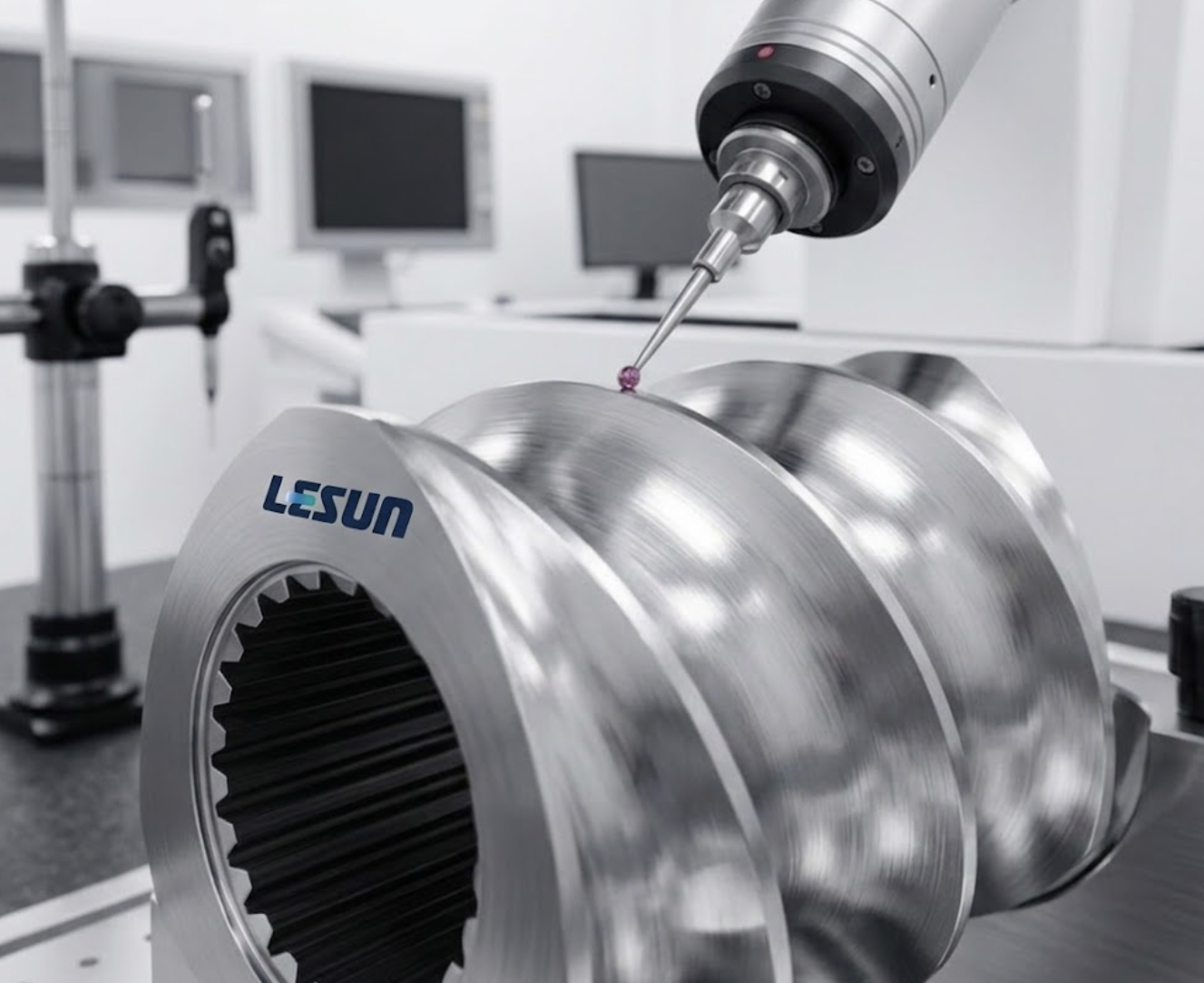
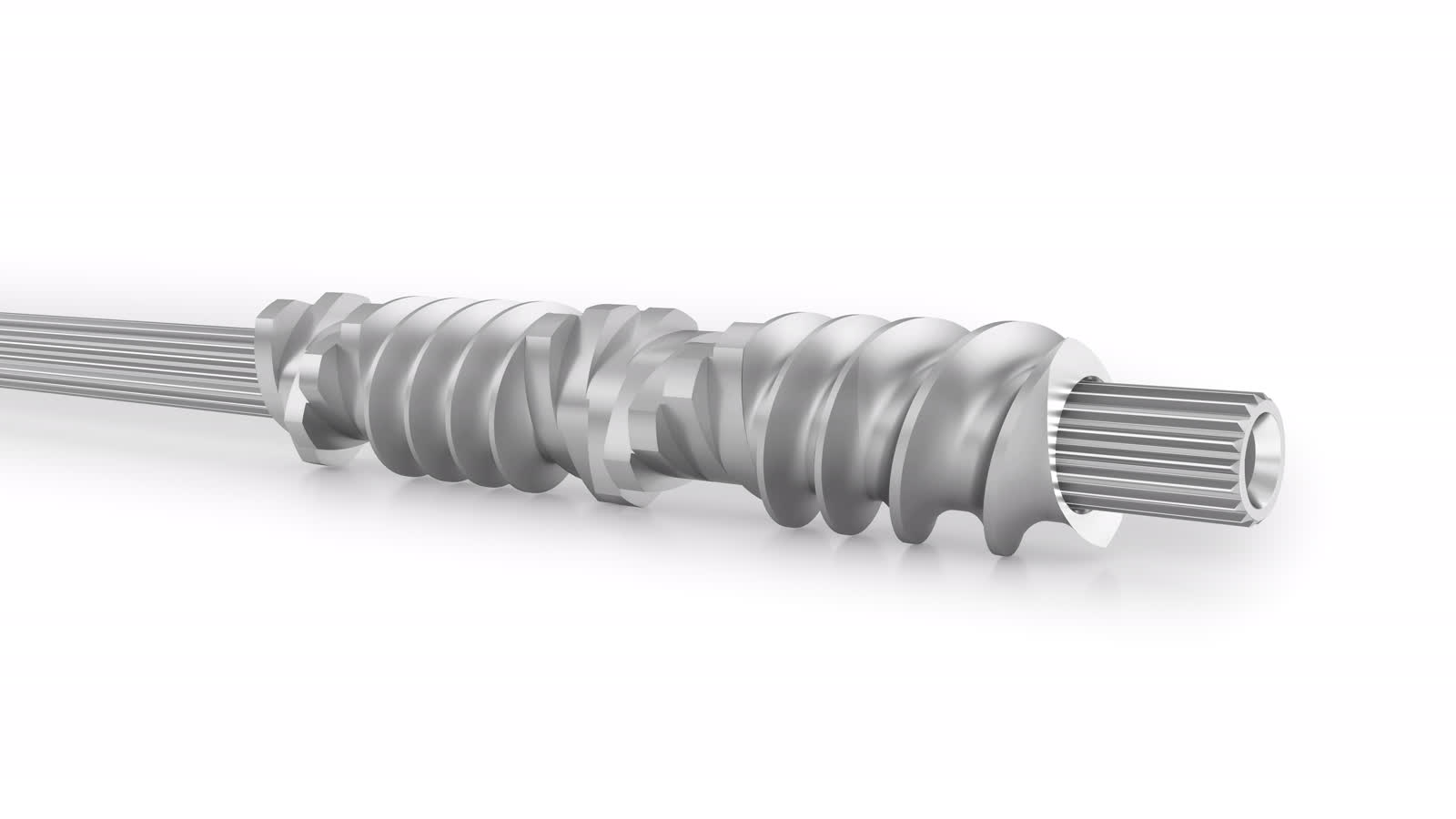
Nanjing, Jiangsu Nov 12, 2026 (Issuewire.com) - Case Study: How Lesun Screw Became a Qualified Alternative Supplier of Twin-Screw Extruder Components for Global Customers Global polymer compounding plants frequently encounter severe operational vulnerabilities when relying solely on original equipment manufacturers (OEMs) for critical replacement parts. Highly abrasive compounds accelerate wear on screw elements, shafts, and barrels, leading to unexpected plant shutdowns. To overcome these supply chain bottlenecks, multinational processors actively seek out a Qualified Alternative Supplier of Twin-Screw Extruder Components (https://www.lesunscrew.com/products/shaft-components/) who can deliver original-equipment precision with significantly shorter turnaround times. This case study examines how a prominent European compounding facility systematically qualified an alternative supplier to mitigate these risks. By executing a rigorous multi-phase verification process, the facility successfully transitioned key component sourcing to Nanjing Lesun Screw Co.,Ltd. The evaluation validated mechanical interchangeability, metallurgical equivalence, and operational durability under extreme manufacturing conditions. Consequently, the compounding plant reduced component lead times from sixteen weeks--often stretching to twenty weeks or more with the original OEM--to four to five weeks while achieving a thirty-five percent reduction in total operating expenditure. High-volume plastic modification requires continuous extrusion under intense pressure and high mechanical torque. However, compounding abrasive materials causes severe mechanical degradation across processing equipment over time. When critical components wear out, processing lines face extended idle periods if replacement inventory remains unavailable. Qualifying an alternative manufacturer requires a structured engineering approach rather than simple purchasing decisions. This study outlines the technical steps, verification protocols, and field testing methods that validated Lesun Screw as an approved global partner. The Trigger: OEM Bottlenecks and the Need for Supply Chain Resilience Plastic compounding facilities operating high-capacity co-rotating twin-screw extruders regularly process challenging formulations. Formulations containing up to seventy percent calcium carbonate (CaCO3), talc, or abrasive glass fibers impose tremendous shear stress and friction on internal machine components. Over time, this constant mechanical friction erodes screw flight crests, degrades barrel wall linings, and places excessive stress on shaft drive splines. Traditionally, extrusion processors relied exclusively on original equipment manufacturers for replacement spare parts. However, changing global logistics patterns and concentrated manufacturing schedules have extended OEM delivery times for specialized parts to sixteen or twenty weeks. For a continuous manufacturing plant, carrying multi-million-dollar safety stocks creates excessive capital tie-up. Conversely, waiting months for critical spare parts exposes the facility to catastrophic downtime costs. Faced with these rising operational risks, the European facility decided to establish an audited second-source vendor program. The procurement and technical teams established clear evaluation criteria for potential partners. Any candidate needed to demonstrate exact mechanical dimensional accuracy, equivalent or superior metallurgical wear resistance, high torque transmission stability, and rapid manufacturing capability. Phase 1: Engineering Audit, Drawing Verification, and Reverse Engineering The qualification journey began with a comprehensive engineering audit of the physical components and existing technical documentation. Simple physical replication often fails because worn components lose their original geometric tolerances. Therefore, the engineering team at Lesun Screw (https://www.lesunscrew.com/company-profile.html) (Nanjing Lesun Screw Co.,Ltd.) initiated a reverse-engineering review rather than simply copying worn sample parts. Specialists analyzed used elements to identify localized stress concentration zones, micro-cracking patterns, and key clearance losses. This analysis allowed engineers to reconstruct exact original CAD geometry models while optimizing flight transitions and root radiuses. Furthermore, precise measurement of complex geometries required advanced dimensional inspection technology. The technical team utilized 2D optical scanning equipment and 3D blue-light scanning systems to map critical component dimensions with high precision. This scanning process verified key attributes, including root diameters, outer flight radiuses, pitch consistency, and spline tooth profiles. The measurement process covered both standard conveying components and specialized mixing elements, such as SME distributive elements and high-volume SK conveying elements. By establishing precise three-dimensional CAD models, the team eliminated installation fit errors prior to metal cutting. Phase 2: Metallurgical Integrity and Tribological Optimization A critical phase in qualifying replacement extruder components involves verifying metallurgical properties and material purity. Extruder parts subjected to aggressive mineral fillers require specialized alloy compositions to prevent premature erosive and corrosive wear. During material evaluation, engineers conducted optical emission spectrometry analysis on raw forged bar stocks to confirm precise chemical element distributions. Additionally, technicians performed non-destructive ultrasonic flaw detection across raw materials to ensure the complete absence of internal voids, inclusions, or micro-fractures. To match the severe operating conditions of high-filler compounding, the facility evaluated specialized tool steel alloys and powder metallurgy options. The engineering team selected high-performance PM-HIP (Powder Metallurgy Hot Isostatic Pressing) steel alloys for screw elements alongside bimetallic liner alloys for barrel construction. Controlled vacuum heat treatment protocols yielded a uniform volumetric surface hardness ranging between HRC 58 and HRC 64. Crucially, the heat treatment process preserved high core toughness within the underlying material matrix, preventing brittle fracture under sudden torque spikes. Phase 3: Trial Assembly, Shaft Integration, and On-Line Run Validation Following material qualification and CNC precision machining, the program advanced to physical assembly and operational field trials. Drive shaft integration represents one of the most critical challenges in twin-screw extrusion because drive splines must transfer heavy mechanical torque without developing excessive angular backlash. The evaluation focused on cold-forming high-torque screw shafts featuring involute and rectangular spline geometries. Cold-forming technology produces continuous grain flow along spline teeth profiles, increasing structural strength compared to conventional milled shafts. Technical teams conducted pre-installation dry-fit tests, verifying tight element-to-shaft clearances and axial alignment across multi-meter shaft lengths. Once initial fit checks succeeded, the facility installed a complete set of replacement elements and shafts onto a primary production line for a five-hundred-hour continuous validation run. Process engineers monitored key operating parameters in real time, tracking drive motor current, melt pressure stability, thermal consistency, and throughput yield. The replacement components maintained stable processing conditions without experiencing temperature spikes or mechanical vibration. The expertise in manufacturing large-scale complex assemblies was further reflected in similar achievements, such as the delivery of a 133 barrel system (https://www.lesunscrew.com/news/lesun-screw-successfully-delivers-133-barrel-system-redefining-reliable-value.html) for heavy compounding operations. After completing the five-hundred-hour production trial, maintenance teams disassembled the screw set for detailed inspection. Dimensional and visual inspection--including micrometer measurements and magnified surface checks--confirmed zero surface micro-chipping and negligible crest erosion, proving component integrity under actual production conditions. Phase 4: Scaling to Mass Supply and Supply Chain Optimization Upon passing the operational run trial, the compounding facility formally approved the component supplier for ongoing commercial production. To streamline future procurement, the engineering teams created a centralized digital database containing customized bill-of-materials (BOM) records, CAD drawings, and specific material specifications for all compounding lines. This digital integration enabled a structured inventory sharing program. The manufacturing facility maintained dedicated stock reserves for high-wear components, while the vendor established rapid-response emergency machining channels for unplanned part replacements. Consequently, lead times dropped from four months--and often longer with the original supplier--to approximately four to five weeks, significantly improving supply chain flexibility. From a financial perspective, the transition yielded substantial long-term benefits. Direct procurement costs decreased by thirty-five percent compared to standard OEM pricing. More importantly, the reduction in component delivery times eliminated the risk of extended production line shutdowns, protecting overall manufacturing output. Engineering Takeaways: How Global Extrusion Plants Can Evaluate Alternative Vendors This successful case study highlights critical lessons for extrusion facilities seeking to build resilient supply chains. Processing companies can replicate this vendor qualification process by applying systematic technical evaluation criteria: In-House Manufacturing Infrastructure: Verify that the supplier possesses advanced manufacturing hardware, including multi-axis CNC machines and specialized cold-forming equipment for drive shafts. Comprehensive Quality Inspection: Ensure the vendor utilizes rigorous quality assurance tools, such as automated CMM inspection, metallurgical spectrometry, and ultrasonic flaw testing. Material Science Expertise: Confirm the supplier can provide specialized PM-HIP alloys and tailored heat treatments designed for abrasive or corrosive processing environments. Lifecycle Engineering Support: Select partners who offer comprehensive engineering services, including failure analysis, reverse engineering, and custom geometry design optimization. By adopting an objective, data-driven verification framework, global compounding facilities can successfully qualify alternative component manufacturers. Partnering with specialized extrusion engineering companies like Nanjing Lesun Screw Co.,Ltd. enables processing facilities to lower operating costs, secure reliable spare parts availability, and protect continuous production stability. To explore complete twin-screw extruder component solutions and engineering capabilities, visit https://www.lesunscrew.com/.
Source :Lesun Screw
This article was originally published by IssueWire. Read the original article here.
More News







Recommended








YOUR NEWS, OUR NETWORK.
Do you have Great News you want to tell the world?
Be it updates about your business or your community, you can make sure that it’s heard by submitting your story to our network reaching hundreds of news sites across 6 verticals.